
Air Conditioner Running but Not Cooling Properly
Poor cooling does not justify refrigerant charging without a proper diagnosis.
An air conditioner may produce plenty of airflow but little temperature change, or it may become progressively weaker as the filter and coil load with dust. Another unit starts cooling and stops after the outdoor system heats up. These are different performance patterns with distinct causes.
We recommend recording the room temperature, setting, operating mode and whether the outdoor unit starts. Those observations are more useful than assuming a compressor or refrigerant failure because a room is warm. The entire cooling path includes airflow, heat exchangers, electrical controls and the building’s heat load.
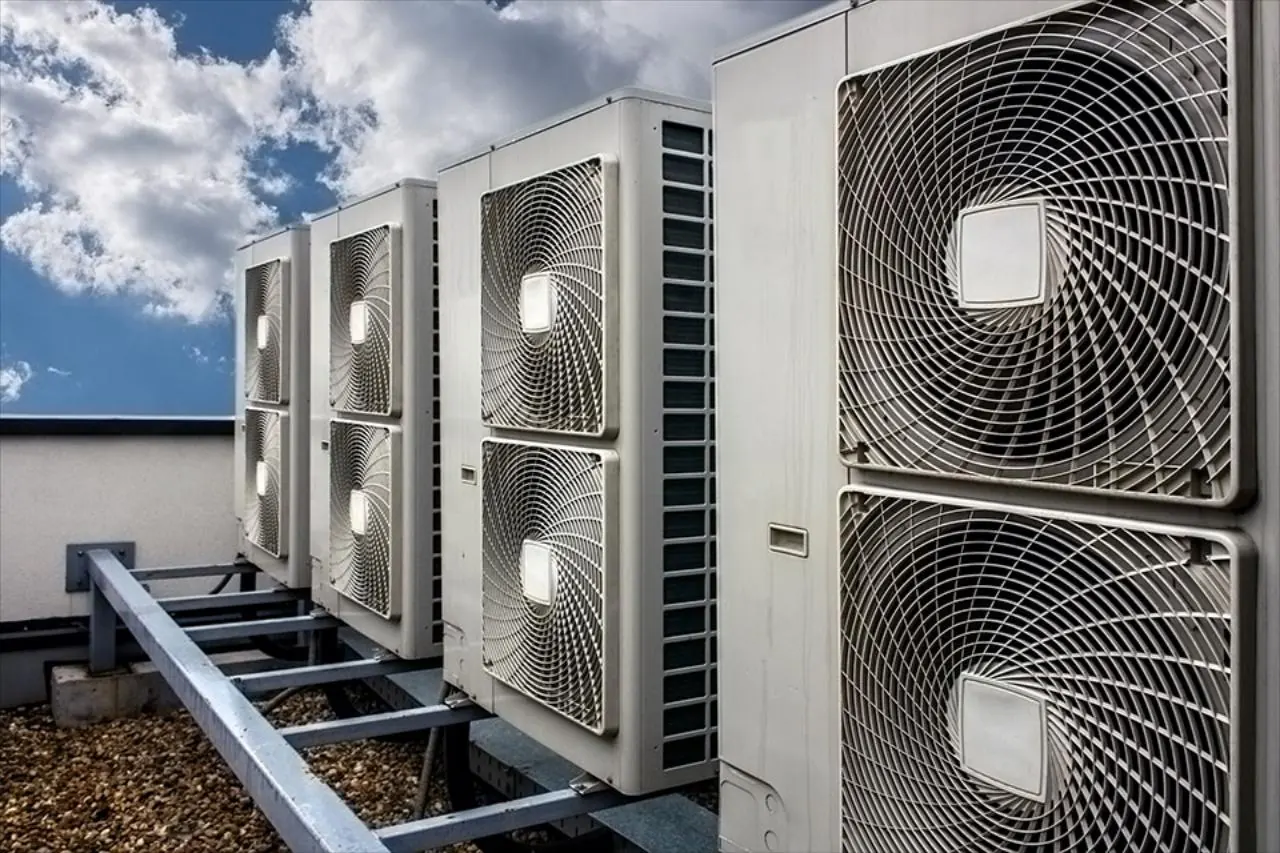
Clues worth checking before parts are ordered
Symptoms help narrow the fault, but they do not identify a component on their own. The following differences matter when discussing a repair.
Indoor fan runs but outdoor unit remains silent
Supply faults, controls, protection trips or communication issues may prevent the compressor and condenser fan from operating. Some units also delay starting after a reset.
Airflow is weak at the vents
Loaded filters, an obstructed evaporator or blower fault can limit heat transfer. Dirty airflow components can also cause ice even when the refrigerant circuit is otherwise functional.
Cooling starts strongly and fades later
Outdoor condenser airflow, overheating, coil icing or intermittent controls may explain the change. Timing after switch-on is important diagnostic evidence.
Air is cool but the room does not reach target
Solar gain, open doors, unsuitable equipment capacity, changed room use or duct losses may exceed the available cooling output. The equipment may not have a broken component.
A useful sequence for fault-finding
- 01
Check the thermostat is set to cooling rather than fan-only operation and record whether an alarm or displayed fault is present. Assess accessible filters according to the manufacturer’s instructions, without disturbing live electrical parts.
- 02
A qualified technician can compare indoor and outdoor operation, airflow restrictions, temperature behaviour and electrical conditions. Refrigerant-side readings may be appropriate only after the basic heat-transfer and control checks are complete.
- 03
Performance should be verified after intervention with the machine running under conditions representative of the complaint. A system that reaches one reading during a quick test may still fail during the hottest part of the day.
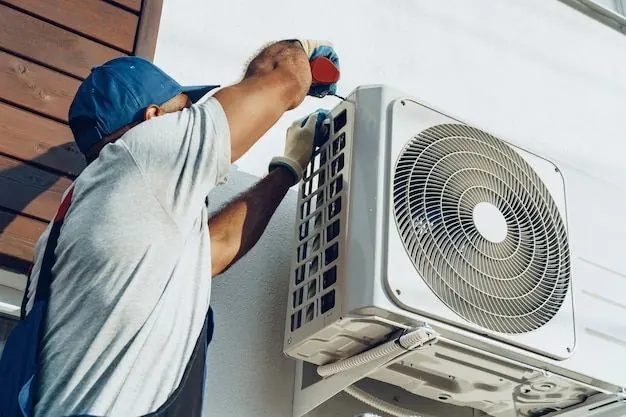
Beyond the first visible symptom
The condenser must reject heat outdoors
A shaded or ventilated outdoor unit can still have a blocked coil or fan problem. Hot discharge air should be able to escape; recirculating it back through the condenser reduces capacity and can trigger protective cut-outs.
Low airflow can imitate a cooling-circuit fault
A clogged indoor filter or stalled fan changes the way the coil absorbs heat. The evaporator may ice or produce an unusual temperature difference even when refrigerant has not leaked.
Capacity is part of the assessment
Rooms with new partitions, high occupancy, open doors or strong afternoon sun may require a review of equipment selection and operating strategy rather than another control-board replacement.
Information to send with your enquiry
Share the indoor unit make/model, mode and set temperature, what the outdoor unit does, the timing of the failure and whether there is water or ice. Indicate whether the problem arose after maintenance or building alterations.
Deciding whether to repair
A targeted fan, sensor or control repair may restore cooling efficiently. Where compressor work or significant capacity changes are indicated, compare repair cost, equipment age and suitability for the building load.
Questions about this problem
Does a warm air conditioner always need regassing?
No. Airflow restrictions, condenser problems, controls and capacity can all produce poor cooling. Refrigerant should be assessed only where diagnosis supports it.
Why does cooling fail in the afternoon?
Higher outdoor temperature, strong solar gain and system heat rejection can reveal capacity or condenser problems not obvious earlier.
Will setting the thermostat to the coldest number speed cooling?
Not necessarily. It changes the demand or set point, not the cooling capacity of the machine. A fault will still require diagnosis.