
Commercial Refrigeration Repairs in Pretoria
Cooling equipment support for food-storage rooms, retail cabinets and business refrigeration.
A failed commercial refrigeration system puts stock, production and service continuity at risk. A unit that runs but cannot hold temperature calls for a different approach from a system that does not start at all. We assess the full operating environment rather than assuming every warm cabinet requires refrigerant.
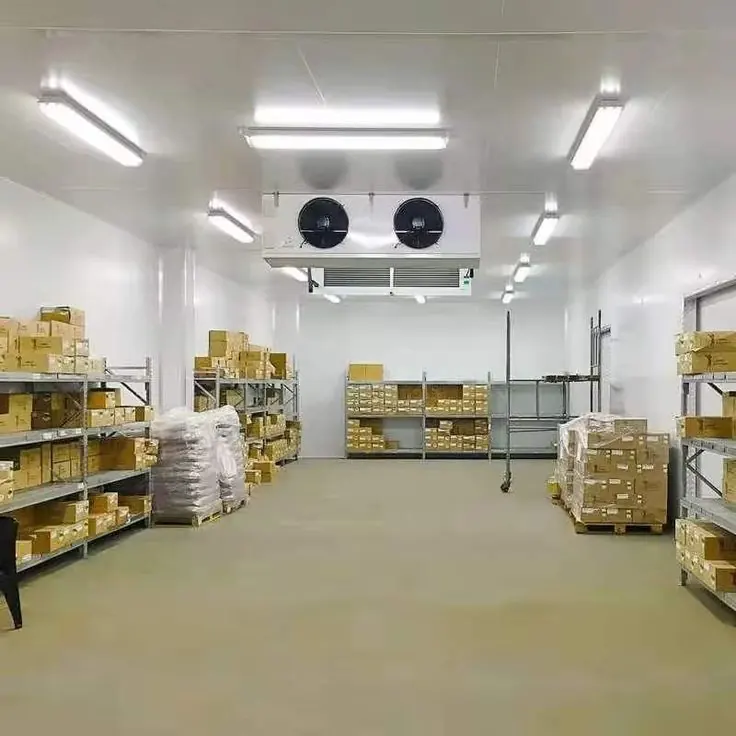
Our commercial refrigeration work covers relevant businesses in Pretoria and Centurion, including walk-in cold rooms, display refrigeration and chilled-storage equipment. When you book, share the approximate cabinet temperature, intended product temperature and whether the affected equipment is part of a larger system.
Problems we investigate
The same symptom can have more than one cause. We check the appliance and its operating conditions before recommending a repair.
Temperature rising under normal load
Airflow restrictions, dirty condensers, control settings, defrost faults and refrigerant-circuit problems are considered.
Ice covering an evaporator
Defrost control, door infiltration, fan movement and drainage may be contributing.
Short cycling or frequent alarms
Control hysteresis, electrical supply, sensors and protective cut-outs can affect compressor cycles.
Water around the unit
Condensate drains, ice melt and damaged insulation can all cause floor moisture.
Door does not seal properly
Gasket wear, damaged hinges or misaligned doors may allow warm humid air into the enclosure.
From fault description to a working system
- 01
We start by checking recorded and measured temperatures, the type of product stored, equipment duty and any recent alarm history. We look at condensers, evaporator airflow, door closure and defrost behaviour.
- 02
Where necessary, electrical controls, fan motors, compressors and refrigeration pressures are evaluated. Refrigerant leakage must be investigated and repaired rather than hidden by repeat topping-up.
- 03
Once repairs are complete, running conditions are checked and staff are advised on the observations that matter most, including door discipline, airflow and alarm thresholds.
What makes a lasting repair
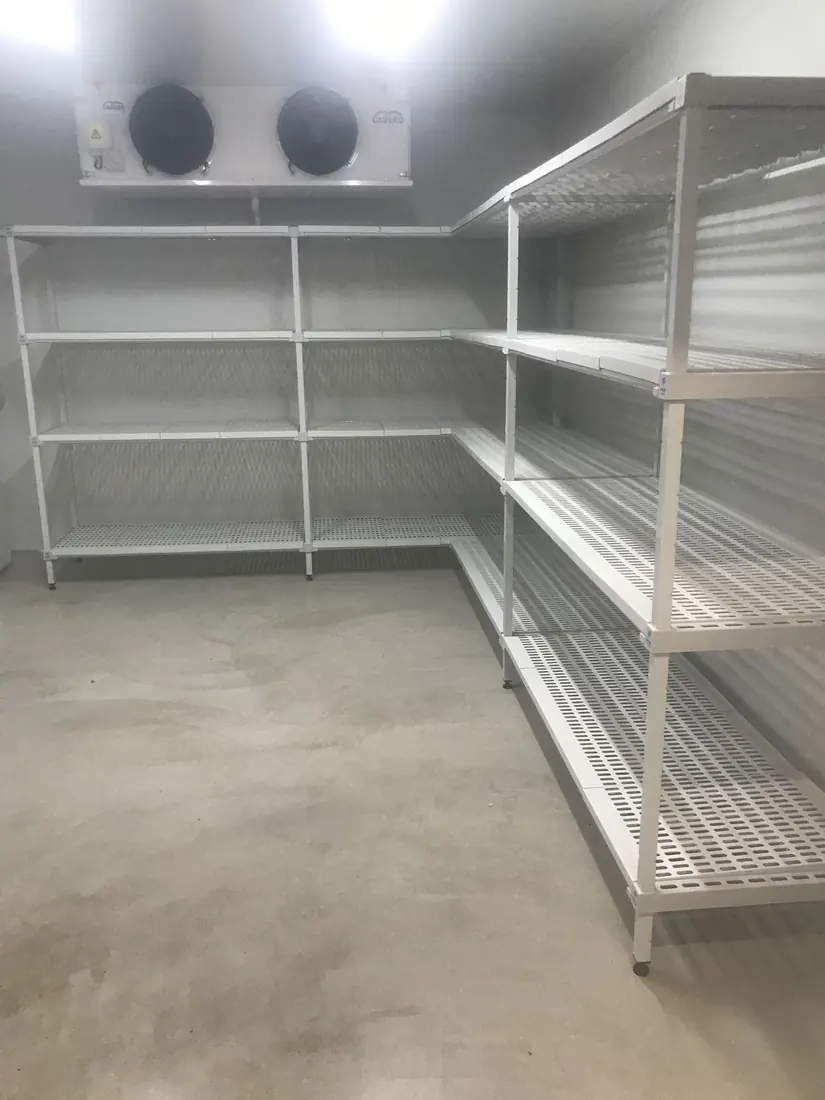
Cold rooms depend on the entire enclosure. Even a healthy condensing unit can struggle when door seals fail, insulation is compromised or warm stock is loaded too quickly. A refrigeration diagnosis must consider both equipment and load.
Retail display cabinets frequently face dust, blocked return-air grilles and heavy customer door use. Cleaning a condenser or restoring circulation may be as important as testing the electronic controller.
Where careful diagnosis pays off
A cold room that reads the expected temperature on its controller may still have warm spots when evaporator airflow is obstructed or loading blocks circulation. Stock arrangement, probe location and door-open duration deserve attention alongside mechanical performance. Product temperature needs to be managed under the site food-safety process.
Compressor overloads may result from dirty heat exchangers, failed condenser fans or adverse ambient conditions. A stable repair requires examining why the protective device operated, not only restarting the unit. Similarly, visible ice at the evaporator may involve both defrost controls and moisture entering through an imperfect door seal.
When reporting a commercial breakdown, share when the temperature started to change, whether the alarm is still active and whether other cabinets on the same system remain cold. For multi-equipment premises, it helps us establish whether the fault is isolated or affects a shared component.
Equipment and applications
- Walk-in cold rooms
- Commercial upright refrigerators
- Refrigerated display cabinets
- Chilled preparation and storage systems
Questions about commercial refrigeration repairs
Is a cold room that is still running safe for stock?
Not necessarily. A compressor or fan can run while product temperatures rise. Monitor actual food temperature and follow your food-safety procedures.
Should I reset a refrigeration alarm?
Record the alarm and temperature first. Repeated resets can hide an intermittent fault.
Do you inspect door seals and evaporators?
Yes. Air infiltration, evaporator icing and airflow defects are common sources of poor refrigeration performance.
Can a leak be fixed instead of repeatedly regassing?
Identifying and addressing the leak is essential. Recharging alone is not a durable repair.
Related repairs
Commercial refrigeration repairs: local area information
Select your area for equipment-specific faults and the booking form. Our listed business address is in Roodepoort; coverage in Pretoria and Centurion is by appointment enquiry, not a claim of a branch office in each suburb.