
The symptom to report
a controller reports an acceptable temperature but a separate food thermometer reveals a warm upper shelf
Practical support for controller shows different temperatures from stored products affecting catering cold-room doors and controls.
For food-service facilities with mixed storage shelves in Muckleneuk, controller shows different temperatures from stored products can interrupt expected service from catering cold-room doors and controls. We assist customers with booking information and diagnosing faults appropriate to our service scope. Contact us at the published number; Laser Park, Roodepoort is the business address, and Muckleneuk is an area served by arrangement.
a controller reports an acceptable temperature but a separate food thermometer reveals a warm upper shelf That history gives the starting point for arranging catering cold-room doors and controls service. Ask staff to note shelf positions and independent readings before the service appointment. We can discuss an appointment and whether the installed equipment falls within our services.
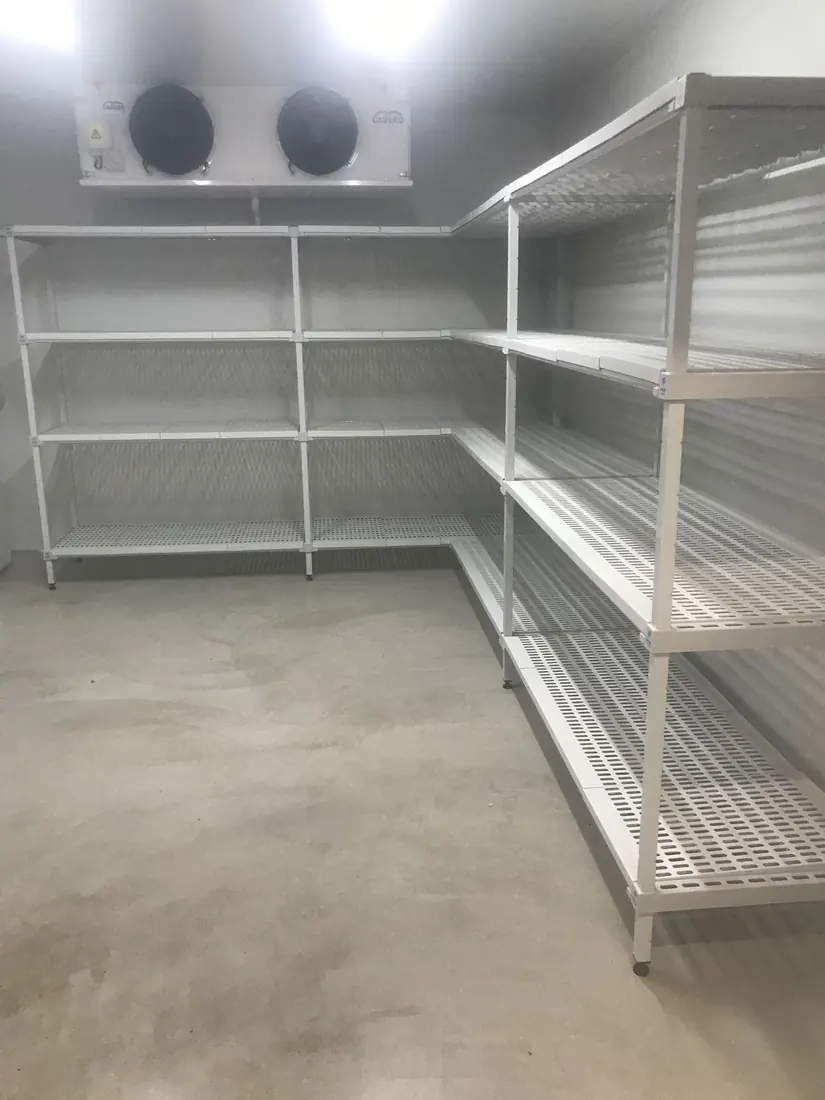
Sensor placement, airflow distribution and product stacking affect readings. A probe next to the evaporator may not represent the temperature of the stored goods.
Compare properly positioned reference probes at several heights; inspect evaporator fan operation and avoid changing set points simply to conceal a distribution issue.
One air sensor cannot tell the full story of temperature conditions in a heavily loaded room. Sampling several positions, without compromising safe storage, can reveal distribution and door-related effects. The room layout matters alongside the thermostat reading.
a controller reports an acceptable temperature but a separate food thermometer reveals a warm upper shelf
If an upper shelf is consistently warmer than a lower shelf, a display sensor may not represent the room uniformly. A fan fault or a heavily packed storage arrangement can produce a temperature gradient even when the thermostat looks normal. This is relevant to the particular report of controller shows different temperatures from stored products with catering cold-room doors and controls. The technician must distinguish a controllable site condition from an actual mechanical or safety defect.
Where a sensor or control is defective, replace and calibrate the correct component; where airflow is blocked, correct the arrangement and verify recovery across the room.
Where a sensor or control is defective, replace and calibrate the correct component; where airflow is blocked, correct the arrangement and verify recovery across the room. Compare properly positioned reference probes at several heights; inspect evaporator fan operation and avoid changing set points simply to conceal a distribution issue.
Uneven temperatures mean some product locations may be unsafe even if the wall display reads normally. Check independent product measurements within safe handling procedures.
Record readings alongside each shelf position and observation time. Correcting the problem may involve restoring air circulation and checking that the temperature probe is correctly positioned for the design. A properly qualified technician should perform live electrical and refrigerant-circuit work.
Make the shelf or product positions clear on the booking description. A diagram or short list helps organise the inspection.
Compare properly positioned reference probes at several heights; inspect evaporator fan operation and avoid changing set points simply to conceal a distribution issue. A satisfactory outcome addresses a controller reports an acceptable temperature but a separate food thermometer reveals a warm upper shelf at the affected catering cold-room doors and controls rather than a general promise that the system appears normal.
Ask staff to note shelf positions and independent readings before the service appointment. The enquiry should identify the catering cold-room doors and controls make and model and give safe access instructions. The particular situation is a controller reports an acceptable temperature but a separate food thermometer reveals a warm upper shelf
Ask staff to note shelf positions and independent readings before the service appointment.
Record readings alongside each shelf position and observation time. Correcting the problem may involve restoring air circulation and checking that the temperature probe is correctly positioned for the design. This guidance is especially relevant to controller shows different temperatures from stored products and should be considered after authorised service before returning to ordinary use.
Sensor placement, airflow distribution and product stacking affect readings. A probe next to the evaporator may not represent the temperature of the stored goods. Ask staff to note shelf positions and independent readings before the service appointment.
Sensor placement, airflow distribution and product stacking affect readings. A probe next to the evaporator may not represent the temperature of the stored goods. In Muckleneuk the operational setting is food-service facilities with mixed storage shelves. If an upper shelf is consistently warmer than a lower shelf, a display sensor may not represent the room uniformly. A fan fault or a heavily packed storage arrangement can produce a temperature gradient even when the thermostat looks normal. The appointment description should separate observable facts from any previous assumption about the failed component.
Ask staff to note shelf positions and independent readings before the service appointment. Where a sensor or control is defective, replace and calibrate the correct component; where airflow is blocked, correct the arrangement and verify recovery across the room. a controller reports an acceptable temperature but a separate food thermometer reveals a warm upper shelf An accurate timeline and model identification can help separate an environmental limitation from a repairable fault.
Sensor placement, airflow distribution and product stacking affect readings. A probe next to the evaporator may not represent the temperature of the stored goods.
Before the visit, share equipment make and model, recent alarms, measured product temperatures, the current load and any access restrictions. Where possible, provide a photograph of the complete unit, controller and a safe view of the surrounding ventilation. Do not remove covers or touch electrical or refrigerant components.
Keep stock safety decisions separate from equipment repairs. Use suitable independent product-temperature readings and the site’s storage or food-safety procedure to decide whether goods may remain in use. Do not assume a display reading proves product safety.
Yes. Contact us with your address in Muckleneuk to check service availability and discuss an appointment. Our listed business address is Laser Park, Roodepoort, 2040; we do not claim a separate office in Muckleneuk.
For residents and operators in Muckleneuk, our catering cold-room doors and controls service information covers controller shows different temperatures from stored products. You can also use the general suburb guide to ask about a different kind of appliance or electrical service.
Describe the actual fault and installation rather than guessing which component is damaged. We will discuss the most suitable next step and availability.