
Cold Room Temperature Alarm: What to Check First
Treat a temperature alarm as a product-protection event, not simply a controller nuisance.
A cold-room alarm can reflect an actual rise in product temperature, a misplaced or defective probe, a prolonged door opening, or a control condition following defrost. Those causes demand different actions. The first step is to protect stock through the site’s established food-safety or storage procedure while the refrigeration fault is evaluated.
Useful information includes whether the room is warming throughout, whether only the display has changed, when the alarm began and which parts of the refrigeration system are operating. Resetting the alarm repeatedly may erase fault history without changing the underlying condition.
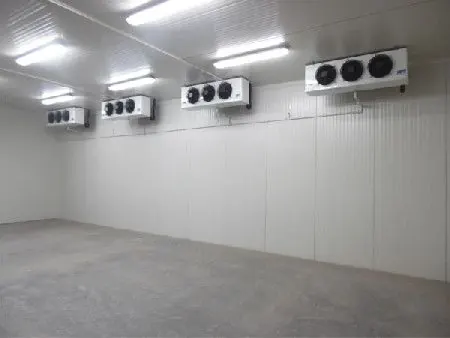
Clues worth checking before parts are ordered
Symptoms help narrow the fault, but they do not identify a component on their own. The following differences matter when discussing a repair.
The room is warm and the compressor is silent
Electrical supply, contactors, thermostats, pressure controls and other protective devices may have prevented cooling. A safety cut-out should never be jumped out to keep stock chilled.
The compressor runs continuously but temperature rises
Restricted airflow, dirty condenser, faulty fans, excess loading or refrigeration-circuit problems may be limiting capacity. A running compressor does not establish that cooling performance is adequate.
The display alarms after a busy loading period
Warm incoming product, open doors and obstructed evaporator discharge can temporarily increase air temperature. Staff must still determine whether stock temperature and recovery are within the site’s safe operating rules.
The reading changes abruptly without matching the room
A displaced probe, connection fault or control issue can produce implausible readings. Independent temperature measurements are needed before deciding whether the alarm is false.
A useful sequence for fault-finding
- 01
Follow the site’s product-risk procedure, log the indicated and independently measured temperatures, and limit unnecessary door opening. If the room serves food, pharmaceuticals or other regulated goods, the relevant operator rules govern the response.
- 02
Record alarms, compressor and evaporator fan states, door operation, any ice or water, and the timing of recent defrosts. A technician checks the control system and electrical/refrigeration conditions with appropriate instruments.
- 03
After the fault is corrected, temperature recovery and alarm behaviour should be monitored over a meaningful period. Readings from more than one point may be needed in large or densely loaded rooms where airflow is not uniform.
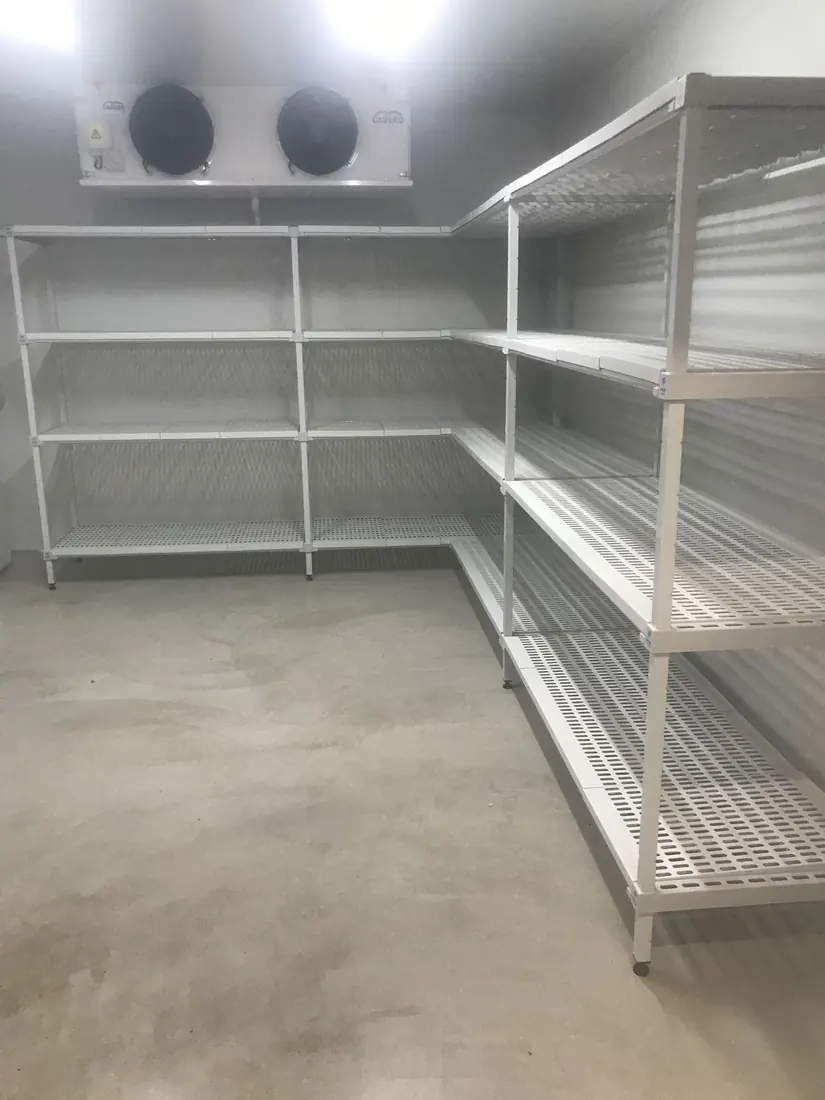
Beyond the first visible symptom
Air temperature is not the whole stock story
A temperature display commonly measures air near one probe. Stored goods can warm or cool more slowly, and blocked aisles may create pockets of poor circulation. Probe location and loading practices need to be considered when interpreting an alarm.
Why defrost cycles matter
Evaporators must shed frost without allowing uncontrolled warming. A faulty defrost termination sensor, stuck heater or excessive moisture entry can either block airflow or produce abnormal heating periods.
Trace alarms back to operating conditions
A room that warms only during deliveries may have a different root cause from one that cannot maintain temperature overnight. Logging door-open duration, product deliveries and ambient conditions is often as valuable as a single pressure reading.
Information to send with your enquiry
When booking, provide the controller make, set point, actual indication, alarm code, type of stored product, estimated beginning of the incident and whether fans or compressors appear to run. Do not share private stock records unnecessarily.
Deciding whether to repair
Critical commercial repairs are judged by restored safe operating performance, not simply cleared alarms. Consider the condition of condensers, door systems and control reliability when deciding whether a repeated breakdown warrants a wider overhaul.
Questions about this problem
Can I silence the alarm until the next shift?
You can follow the equipment instructions for acknowledging an alert, but you must still investigate temperatures and any threat to stock. Silencing is not repair.
Does a defrost alarm always mean a failed heater?
No. Sensors, timer settings, excessive frost, failed fan operation or moisture entry may all affect defrost performance.
Why is the display correct but some shelves feel warm?
Probe position, uneven airflow or stacked product can create differences within the room. Measure the relevant points and review circulation.