
The symptom to report
A holding cabinet that remains warm after receiving hot prepared food. Note when it first appeared and whether the pattern changes through the day.
Support for commercial blast-chilling or cold-storage equipment breakdowns, cooling faults and chilled-storage problems in Rooihuiskraal North.
For prepared-meal kitchens and cold-food dispatch in Rooihuiskraal North, dependable commercial refrigeration supports predictable food handling and business operations. We assist with problems involving commercial blast-chilling or cold-storage equipment, including confusion between chill-down and holding performance, and arrange assessment according to the installed equipment and the reported symptoms.
The situation to describe is a holding cabinet that remains warm after receiving hot prepared food. Provide the pattern as accurately as you can, including the most recent measured temperatures, alarms or changes in operating conditions. That evidence is important for choosing what to inspect first.
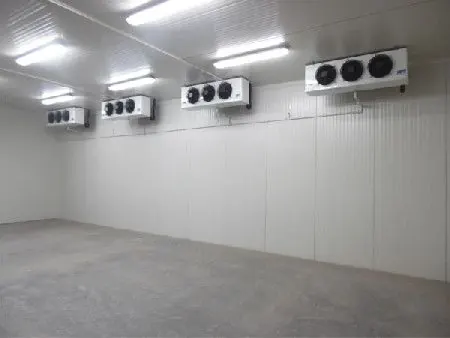
Not every refrigeration cabinet is designed to cool freshly cooked food rapidly. A holding chiller expected to pull large hot loads down in a short time can perform outside its intended duty even when it is mechanically healthy. This distinction matters for safe food processes as well as equipment life; refrigeration repairs must not be presented as a substitute for proper blast-chilling equipment.
The key complaint concerns confusion between chill-down and holding performance; the useful starting evidence is a holding cabinet that remains warm after receiving hot prepared food.
We ask what enters the cabinet, the incoming and target temperatures and the time available for cooling. We compare that duty with the model specifications, then assess condenser airflow, door closure and fan performance. Where the machine is designed for rapid chilling, its sensors, probes and cycle settings become a separate diagnostic focus.
When a prepared-meal business reports cooling that takes far too long, clarify whether staff are measuring the air inside the cabinet or the actual temperature of the food. A holding cabinet can reach its setpoint while hot product remains inadequately chilled. Rapid chilling may require equipment designed for that duty, controlled loading and reliable probe records. The refrigeration visit can determine whether the machine meets its specified capability, but decisions about retaining affected food must follow the operator’s food-safety plan, not an assumption that the repair made the batch safe.
A holding cabinet that remains warm after receiving hot prepared food. Note when it first appeared and whether the pattern changes through the day.
Prepared-meal kitchens and cold-food dispatch may have site demands that need to be considered alongside the measured fault.
Product temperature, air temperature and the appliance display can differ during a rapid cooling process. A holding refrigerator may report an air-temperature decrease while a dense warm food load remains well above its required product temperature.
Food process managers should not assume a repaired cabinet retrospectively makes an improperly chilled batch safe. Preserve the time-temperature record, isolate questionable product as required and follow the kitchen’s approved cooling protocol independently of the service visit.
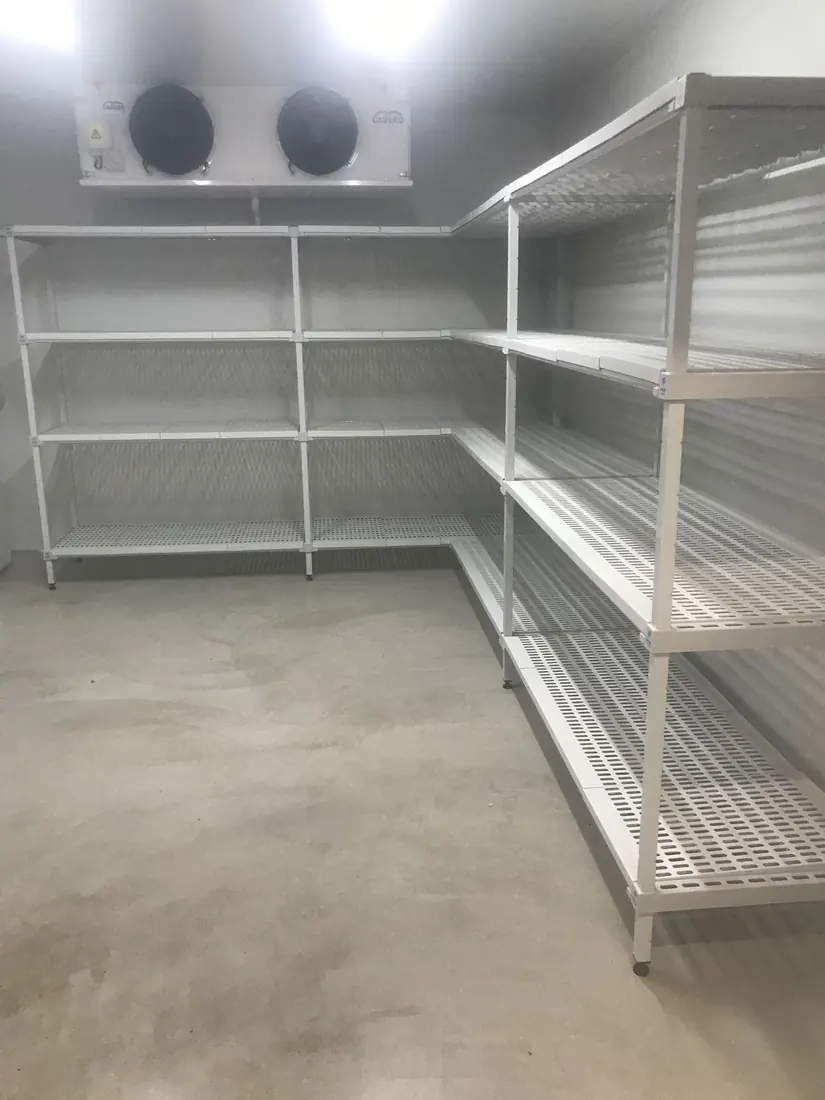
A genuine fan, controller or refrigeration fault is repaired according to test results. If the root cause is an unsuitable holding system, we make that limitation clear instead of promising a component swap will meet an industrial cooling schedule. Any operating tests must respect food-safety procedures and not use unsafe product as a test load.
The most useful assessment compares the process demand with the exact equipment type and its rated cooling duty. When refrigeration is healthy but the wrong system is being used, an operational correction or dedicated blast chiller is a different recommendation from replacing a compressor.
When booking in Rooihuiskraal North, identify whether the machine is labelled as a holding refrigerator, blast chiller or freezer. Explain when the temperature failure appears and what type of load is present. Arrange for a manager familiar with the food-safety plan to clarify the required process.
We cover Rooihuiskraal North by appointment; our business address is in Laser Park, Roodepoort, not a physical branch in this suburb.
Keep recorded temperatures for each process stage and maintain the distinction between rapid cooling and chilled storage. Avoid compensating for warm loading by forcing excessively low controller settings. Escalate unexpected recovery times after normal pre-chilled stock loads.
Not every refrigeration cabinet is designed to cool freshly cooked food rapidly. A site inspection must confirm whether equipment performance, controls, airflow or operating load is responsible.
When booking in Rooihuiskraal North, identify whether the machine is labelled as a holding refrigerator, blast chiller or freezer. Explain when the temperature failure appears and what type of load is present. Arrange for a manager familiar with the food-safety plan to clarify the required process.
Do not assume stock is safe because a fan or compressor is running. Record actual product temperatures and follow your organisation’s food-safety or other storage procedure. Isolate equipment if there is an electrical hazard and avoid removing covers.
Not without diagnosis. Refrigerant is not normally consumed in a sealed system; if a leak is found, the source needs assessment and compliant repair. A warm cabinet can also result from fans, defrost controls, blocked airflow or heat load.
Choose the service matching your installed equipment. For a domestic fridge, use our household repair pages; for business cooling and cold rooms, this commercial service route is more specific.
Share the equipment type, current temperatures, alarm history and access arrangements. We’ll use the details to discuss a suitable next step and availability.