
The symptom to report
Water appearing at the threshold while cooling continues. Note when it first appeared and whether the pattern changes through the day.
Support for walk-in chilled preparation room breakdowns, cooling faults and chilled-storage problems in Irene.
For event caterers, restaurants and hospitality kitchens in Irene, dependable commercial refrigeration supports predictable food handling and business operations. We assist with problems involving walk-in chilled preparation room, including condensate and drain-line blockage, and arrange assessment according to the installed equipment and the reported symptoms.
The situation to describe is water appearing at the threshold while cooling continues. Provide the pattern as accurately as you can, including the most recent measured temperatures, alarms or changes in operating conditions. That evidence is important for choosing what to inspect first.
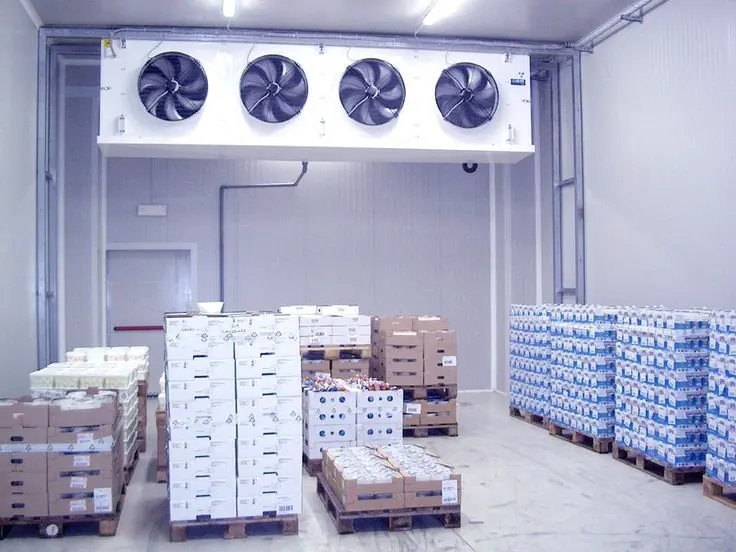
Water on a cold-room floor is a hygiene and slip hazard, but the cause may sit in the evaporator drain rather than in the refrigeration circuit itself. A blocked trap, incorrect fall, iced line or missing heater can overflow during defrost. The timing of the leak—immediately after defrost or throughout the day—helps separate those causes.
The key complaint concerns condensate and drain-line blockage; the useful starting evidence is water appearing at the threshold while cooling continues.
We check the drain pan and outlet, inspect for ice along the pipe and look for signs that the coil is accumulating excessive frost. The door threshold and surrounding washdown area are also relevant because not every puddle begins in the refrigeration unit. Drainage repairs must leave a safe path for water and preserve any necessary insulation or heating.
Drain problems may be hard to reproduce between defrost events. It is therefore useful to record the hour of each overflow, whether the room had recently been cleaned and whether the wet area lies directly under the evaporator outlet. If water leaks only after timed defrost, focus on the pan, trap and insulated pipe route. If it appears after washdown, floor drainage may instead require attention. Staff can keep wet walkways controlled while an authorised technician checks electrical safety and verifies that meltwater leaves the room correctly.
Water appearing at the threshold while cooling continues. Note when it first appeared and whether the pattern changes through the day.
Event caterers, restaurants and hospitality kitchens may have site demands that need to be considered alongside the measured fault.
The timing of water leaks is diagnostic. Overflow just after defrost suggests a blocked or frozen condensate line, while water appearing only after cleaning can originate from floor drainage or washdown flow rather than refrigeration equipment.
Keep floor drains and walkways safe for staff carrying trays. If water is near an electrical component, the equipment should not be handled by untrained employees. Notify the venue contact so any food-preparation area affected by leakage can be managed safely.
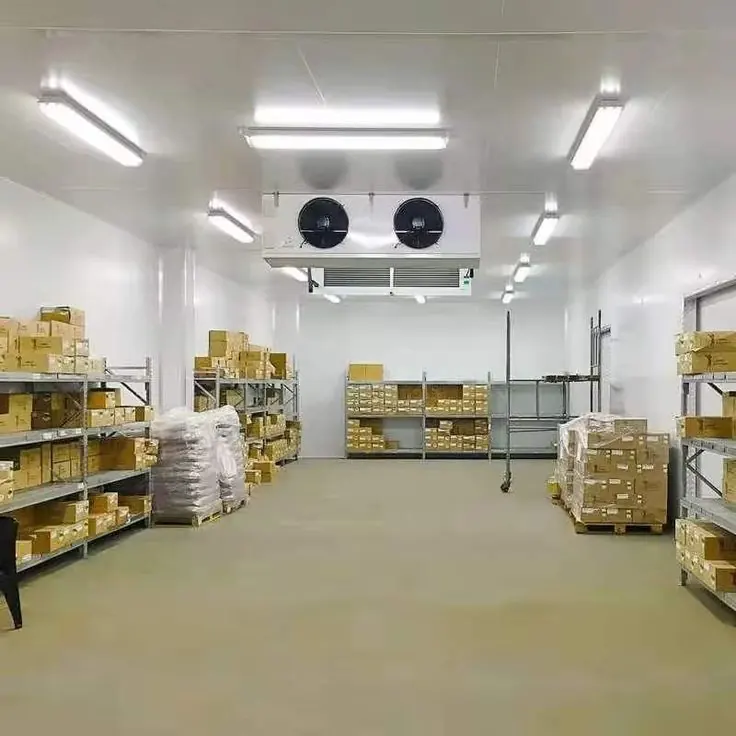
Clearing an obstruction addresses one cause, but a frozen pipe can block again if the heater, insulation or condensate routing is defective. We assess whether the drain resumes through a real defrost sequence and check that the cause of excessive coil icing has not been overlooked.
After a drain route is cleared or corrected, observe a full drainage event and inspect the low points of the pipe. A dry floor immediately after the technician leaves may not demonstrate success if the next programmed defrost is still hours away.
Irene catering venues should describe whether water appears during food preparation, after cleaning, or following a timed defrost. A photograph showing the drain route and wet area helps the visit. Keep the affected walking surface safe and do not open electrical panels or pull apart insulated pipework.
We cover Irene by appointment; our business address is in Laser Park, Roodepoort, not a physical branch in this suburb.
Include drip trays, drain outlets and door thresholds in planned hygiene inspections. Staff should log recurring water at the same hour rather than repeatedly mopping it without tracing the source. Continue the venue’s own food and workplace-safety precautions until the leak is fixed.
Water on a cold-room floor is a hygiene and slip hazard, but the cause may sit in the evaporator drain rather than in the refrigeration circuit itself. A site inspection must confirm whether equipment performance, controls, airflow or operating load is responsible.
Irene catering venues should describe whether water appears during food preparation, after cleaning, or following a timed defrost. A photograph showing the drain route and wet area helps the visit. Keep the affected walking surface safe and do not open electrical panels or pull apart insulated pipework.
Do not assume stock is safe because a fan or compressor is running. Record actual product temperatures and follow your organisation’s food-safety or other storage procedure. Isolate equipment if there is an electrical hazard and avoid removing covers.
Not without diagnosis. Refrigerant is not normally consumed in a sealed system; if a leak is found, the source needs assessment and compliant repair. A warm cabinet can also result from fans, defrost controls, blocked airflow or heat load.
Choose the service matching your installed equipment. For a domestic fridge, use our household repair pages; for business cooling and cold rooms, this commercial service route is more specific.
Share the equipment type, current temperatures, alarm history and access arrangements. We’ll use the details to discuss a suitable next step and availability.