
The symptom to report
A long recovery period after large deliveries. Note when it first appeared and whether the pattern changes through the day.
Support for commercial cold room breakdowns, cooling faults and chilled-storage problems in Hennopspark.
For distribution kitchens and food-preparation businesses in Hennopspark, dependable commercial refrigeration supports predictable food handling and business operations. We assist with problems involving commercial cold room, including loading spikes and inadequate temperature pull-down, and arrange assessment according to the installed equipment and the reported symptoms.
The situation to describe is a long recovery period after large deliveries. Provide the pattern as accurately as you can, including the most recent measured temperatures, alarms or changes in operating conditions. That evidence is important for choosing what to inspect first.
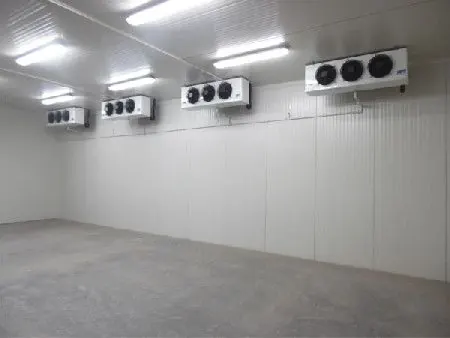
Receiving a large quantity of stock above room temperature adds a significant cooling load. If the cold room is designed to store pre-chilled products rather than rapidly chill warm deliveries, it may never recover as fast as staff expect. This differs from a sudden mechanical breakdown, although both can occur together and require investigation.
The key complaint concerns loading spikes and inadequate temperature pull-down; the useful starting evidence is a long recovery period after large deliveries.
We check delivery timing, stock arrival temperatures, door-open duration and whether the room reaches setpoint when empty or lightly loaded. Condenser airflow, evaporator cleanliness and controller operation are tested before reaching a capacity conclusion. A room that fails overnight despite no new deliveries warrants closer examination of refrigeration performance.
A cold room used as a receiving buffer should not automatically be judged defective because warm deliveries take longer to cool. A refrigeration unit selected for storage can have a very different duty from a rapid-chilling system. Compare readings before deliveries, immediately afterward and during an unloaded recovery period. If performance is good with normal pre-chilled stock but poor only after large warm loads, the operational process should be reviewed against the equipment specification. This is a capacity and product-handling decision as much as it is a repair question.
A long recovery period after large deliveries. Note when it first appeared and whether the pattern changes through the day.
Distribution kitchens and food-preparation businesses may have site demands that need to be considered alongside the measured fault.
A receiving room designed for storage may have adequate capacity to hold cold goods but insufficient capacity to chill a large warm delivery quickly. The distinction is visible in temperature trends: ordinary light-load recovery and heavily loaded recovery tell different stories.
Record the last stock arrival time before a technician attends. Staff must not try to prove a fault by deliberately placing unsafe warm goods into a chiller, and should follow established receiving and stock-release controls during temperature excursions.
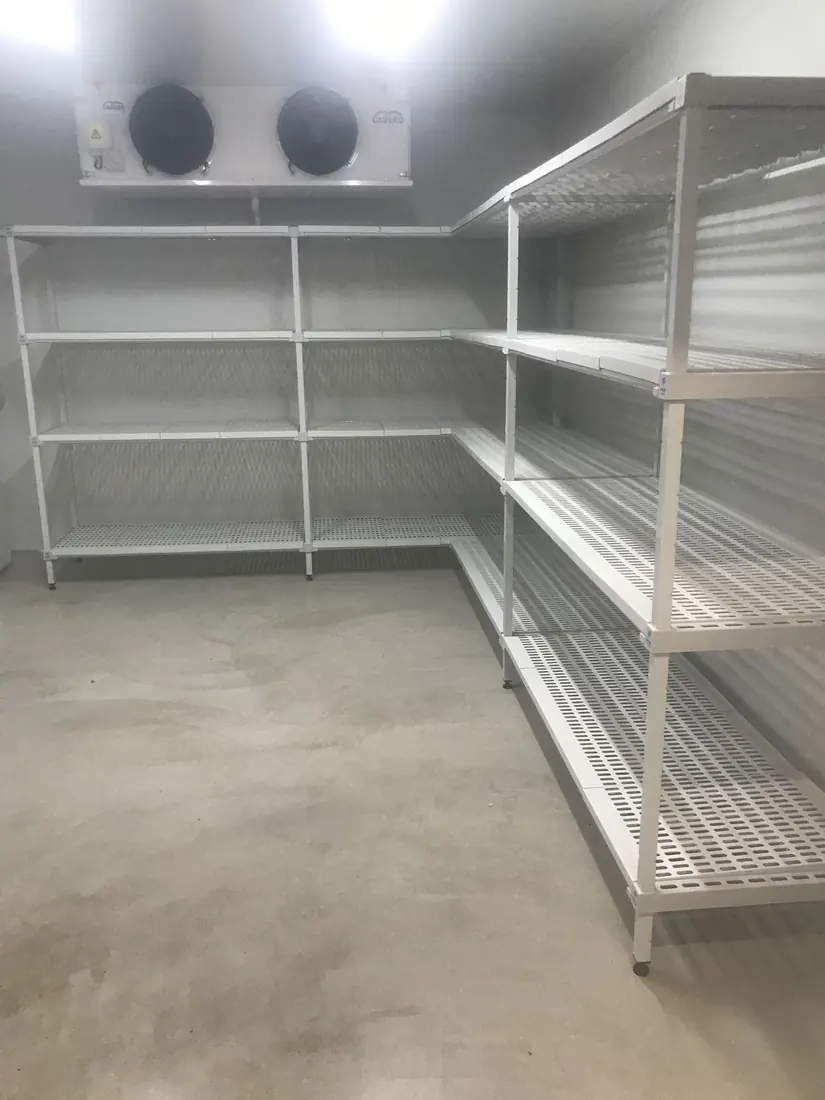
If a mechanical fault is verified, the failed equipment is repaired and performance checked. If loading exceeds design capacity, a thermostat adjustment cannot create additional refrigeration capacity; we discuss operational changes or a properly specified system review. Any recommendation is tied to measured conditions rather than guessed room tonnage.
A useful performance check is made against the equipment’s specified load and temperature duty, not an arbitrary promise that the room must recover in a fixed number of minutes. If controls and refrigeration are healthy, the corrective recommendation may concern delivery staging or separate chilling capability.
For a Hennopspark visit, supply the cold room’s approximate size, normal and peak loads and whether incoming goods arrive already chilled. A simple time chart showing temperatures before and after deliveries is often more revealing than one alarm photo. Confirm loading-door access and whether the service work needs to be coordinated with dispatch times.
We cover Hennopspark by appointment; our business address is in Laser Park, Roodepoort, not a physical branch in this suburb.
Separate storage from rapid-chilling duties where the equipment was not designed for both. Maintain clear airflow around stored products and record how long the room takes to recover after typical deliveries. Escalate unusually long pull-down times before they disrupt an entire production run.
Receiving a large quantity of stock above room temperature adds a significant cooling load. A site inspection must confirm whether equipment performance, controls, airflow or operating load is responsible.
For a Hennopspark visit, supply the cold room’s approximate size, normal and peak loads and whether incoming goods arrive already chilled. A simple time chart showing temperatures before and after deliveries is often more revealing than one alarm photo. Confirm loading-door access and whether the service work needs to be coordinated with dispatch times.
Do not assume stock is safe because a fan or compressor is running. Record actual product temperatures and follow your organisation’s food-safety or other storage procedure. Isolate equipment if there is an electrical hazard and avoid removing covers.
Not without diagnosis. Refrigerant is not normally consumed in a sealed system; if a leak is found, the source needs assessment and compliant repair. A warm cabinet can also result from fans, defrost controls, blocked airflow or heat load.
Choose the service matching your installed equipment. For a domestic fridge, use our household repair pages; for business cooling and cold rooms, this commercial service route is more specific.
Share the equipment type, current temperatures, alarm history and access arrangements. We’ll use the details to discuss a suitable next step and availability.