
The symptom to report
Warm readings following shift-change access and repeated door openings. Note when it first appeared and whether the pattern changes through the day.
Support for large chilled-storage enclosure breakdowns, cooling faults and chilled-storage problems in Rosslyn.
For industrial catering kitchens and staff-food storage in Rosslyn, dependable commercial refrigeration supports predictable food handling and business operations. We assist with problems involving large chilled-storage enclosure, including door infiltration and temperature recovery, and arrange assessment according to the installed equipment and the reported symptoms.
The situation to describe is warm readings following shift-change access and repeated door openings. Provide the pattern as accurately as you can, including the most recent measured temperatures, alarms or changes in operating conditions. That evidence is important for choosing what to inspect first.
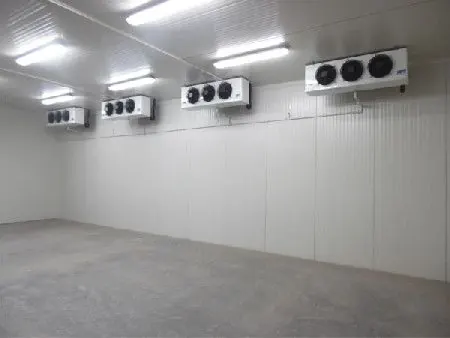
A cold room serving large groups may recover slowly after a sequence of deliveries and staff breaks. Warm, humid air entering through a damaged gasket can add both sensible heat and frost to the coil. A refrigeration unit can be mechanically sound and still lose its target conditions if door closers, thresholds or loading practices are not working. In this situation, distinguishing infiltration from a compressor fault protects the business from unnecessary parts replacement.
The key complaint concerns door infiltration and temperature recovery; the useful starting evidence is warm readings following shift-change access and repeated door openings.
We would first compare the actual product temperature with the controller display, then look for light gaps at the door seal, a damaged heater or threshold and evidence of icing around the evaporator. Time-stamped readings before and after peak use are especially helpful. Defrost operation must be checked because ice created by moisture ingress can gradually restrict the very airflow needed for recovery.
An important distinction is between the actual product load and the heat that enters each time the cold-room door opens. A staff canteen that loads a relatively small number of chilled items can still see severe evaporator frost if an unlatched door stays open repeatedly. The closer, threshold, perimeter heater and drain all affect the outcome, but they should not be replaced in one bundle without testing. Ask the shift supervisor whether a particular trolley or wheeled rack has begun catching the frame, since that timing can explain an otherwise unexpected new problem.
Warm readings following shift-change access and repeated door openings. Note when it first appeared and whether the pattern changes through the day.
Industrial catering kitchens and staff-food storage may have site demands that need to be considered alongside the measured fault.
A cold-room door can look closed yet leave an air gap at the bottom after a trolley strike. Moisture tracks and frost along the perimeter may reveal the path of warm air entry. The room might then appear to have a weak defrost system because frost accumulates where it previously did not.
Schedule door access so repair work does not create an open pathway during food preparation. Where a trolley route repeatedly damages the same frame, a simple replacement gasket may have a short life unless the collision or door geometry problem is also addressed.
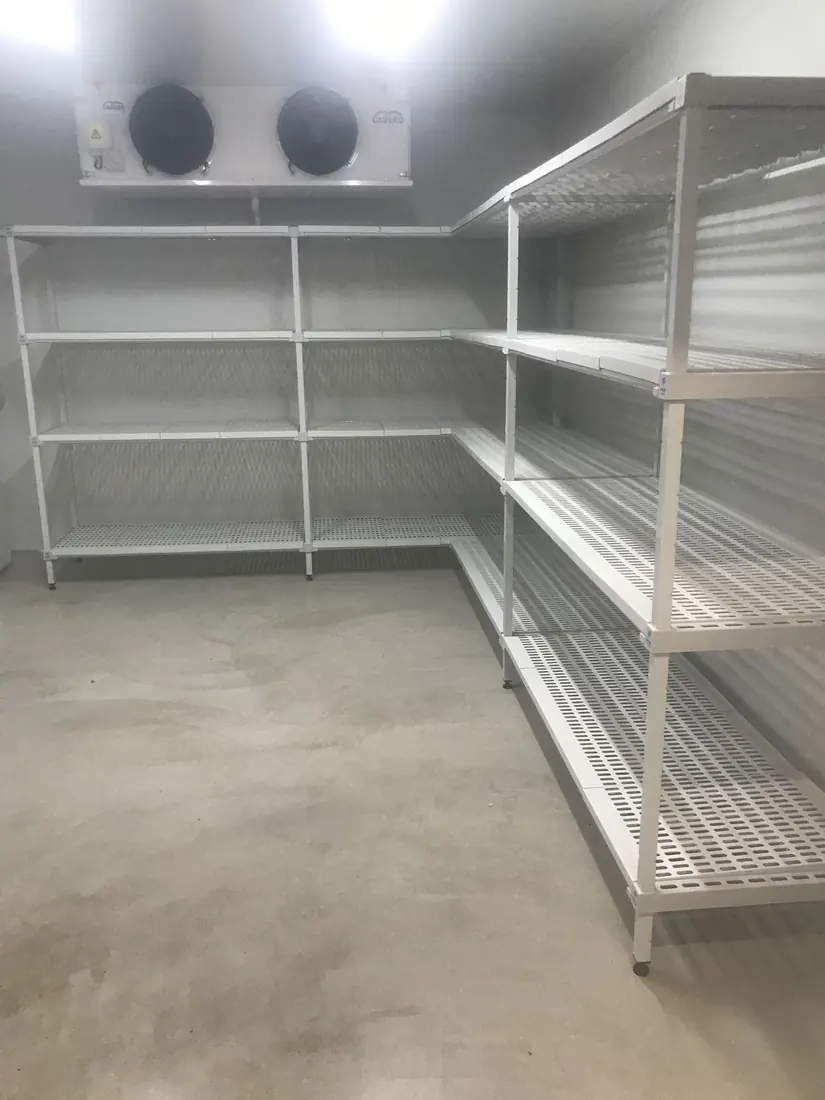
If the gasket is torn or the closer does not pull the door firmly home, that defect should be fixed rather than compensated for by lowering the setpoint. Where the evaporator is heavily iced, the cause of icing must be understood before a reset. Door hardware work and defrost-controller work have different scopes, which we explain in the quotation and confirm through temperature-recovery checks.
After a seal or closer repair, the door should latch consistently without staff pulling it shut. Room temperature is best evaluated over several normal loading cycles, including a known busy period; an empty overnight reading alone may hide a continuing infiltration problem.
For Rosslyn service requests, tell us whether the room is shared between departments and if delivery trolleys strike the opening. Photographs of the full doorway, not just the thermostat, help identify a recurring mechanical problem. Arrange a contact who can describe the busiest usage period and provide access without disrupting food service unnecessarily.
We cover Rosslyn by appointment; our business address is in Laser Park, Roodepoort, not a physical branch in this suburb.
A simple door-closed check at the end of each shift can catch a closing mechanism that has fallen out of adjustment. Keep an unobstructed route for deliveries so stock is not held against the opening. Track room recovery after known busy periods; one isolated alarm is different from a progressive deterioration week after week.
A cold room serving large groups may recover slowly after a sequence of deliveries and staff breaks. A site inspection must confirm whether equipment performance, controls, airflow or operating load is responsible.
For Rosslyn service requests, tell us whether the room is shared between departments and if delivery trolleys strike the opening. Photographs of the full doorway, not just the thermostat, help identify a recurring mechanical problem. Arrange a contact who can describe the busiest usage period and provide access without disrupting food service unnecessarily.
Do not assume stock is safe because a fan or compressor is running. Record actual product temperatures and follow your organisation’s food-safety or other storage procedure. Isolate equipment if there is an electrical hazard and avoid removing covers.
Not without diagnosis. Refrigerant is not normally consumed in a sealed system; if a leak is found, the source needs assessment and compliant repair. A warm cabinet can also result from fans, defrost controls, blocked airflow or heat load.
Choose the service matching your installed equipment. For a domestic fridge, use our household repair pages; for business cooling and cold rooms, this commercial service route is more specific.
Share the equipment type, current temperatures, alarm history and access arrangements. We’ll use the details to discuss a suitable next step and availability.