
The symptom to report
A room that begins the week cold but gradually loses airflow and temperature. Note when it first appeared and whether the pattern changes through the day.
Support for walk-in chiller breakdowns, cooling faults and chilled-storage problems in Montana.
For butcheries and fresh-food outlets in Montana, dependable commercial refrigeration supports predictable food handling and business operations. We assist with problems involving walk-in chiller, including evaporator frost and incomplete defrost, and arrange assessment according to the installed equipment and the reported symptoms.
The situation to describe is a room that begins the week cold but gradually loses airflow and temperature. Provide the pattern as accurately as you can, including the most recent measured temperatures, alarms or changes in operating conditions. That evidence is important for choosing what to inspect first.
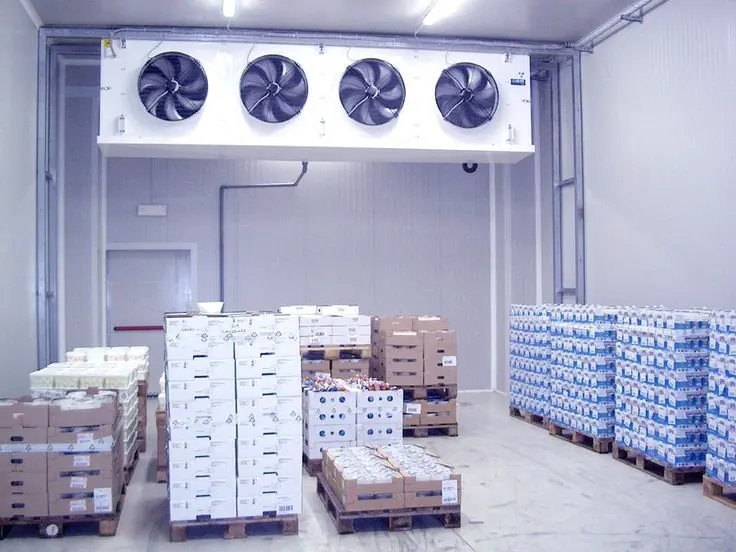
Gradual loss of cooling coupled with a thickening frost layer often points to defrost performance, excess humid-air ingress or a fan issue. A coil covered in ice may still feel cold to the touch but cannot move enough air across stacked stock. The challenge is identifying what started the icing rather than repeatedly melting it and restarting the system.
The key complaint concerns evaporator frost and incomplete defrost; the useful starting evidence is a room that begins the week cold but gradually loses airflow and temperature.
We would note the timing and duration of programmed defrost periods, verify that heaters or hot-gas controls work as intended and examine the evaporator fan after defrost. Door seals, drain heating and stock stacked close to the coil also require attention. A record of when the room last cooled normally helps separate a scheduled-control problem from frequent door openings.
A thick sheet of ice may protectively insulate the evaporator rather than improve cooling. The technician needs to know whether heaters receive power during the correct part of the cycle, whether termination sensors read plausibly and whether meltwater can leave before the fan restarts. If a door seal is leaking, repairing the defrost heater may not stop future frosting. Ask the operator to record where ice first forms after a complete normal defrost; early photographs often indicate the pathway of incoming moisture more clearly than an entirely blocked coil.
A room that begins the week cold but gradually loses airflow and temperature. Note when it first appeared and whether the pattern changes through the day.
Butcheries and fresh-food outlets may have site demands that need to be considered alongside the measured fault.
Ice that returns after every manual defrost may originate from a defective termination probe, an ineffective heater or moisture introduced through the opening. The ice distribution is a clue: heavy buildup around a door differs from icing packed deep into the coil fins.
Do not use knives, hot-water jets or open flames to remove ice from an evaporator. Such shortcuts can puncture refrigeration tubing, damage electrical insulation or create slippery floors. Inform the technician if any improvised defrost attempt has already taken place.
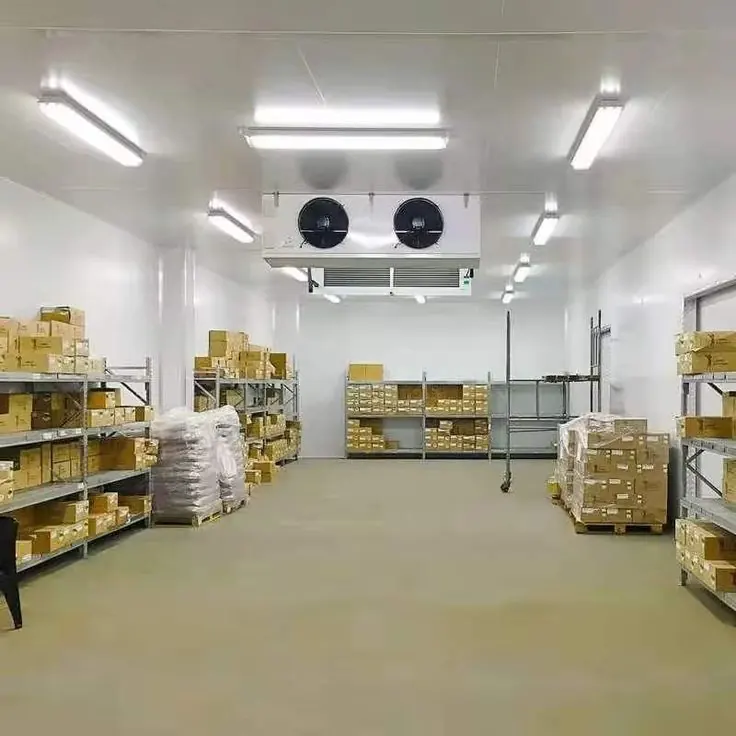
Any failed defrost element, thermostat, probe or control relay should be isolated and tested before replacement. A blocked condensate route may refreeze even after a defrost system is repaired, so water removal must be checked. We examine temperature and airflow through subsequent operation instead of declaring success because the visible ice is gone.
After a confirmed defrost repair, the system needs to pass at least one correctly sequenced defrost and return to cooling. The drain should carry meltwater clear, and fan restart must follow the intended control logic rather than blow warm air into the storage room.
A Montana business should advise whether the room is used for hanging or packaged products, if the door stays open for stocking and whether any ice forms at the threshold. Product safety needs management under the business’s procedures during any temperature excursion; a technician’s repair is not a retroactive guarantee of stock condition.
We cover Montana by appointment; our business address is in Laser Park, Roodepoort, not a physical branch in this suburb.
Keep evaporator inlets clear and avoid high-pressure washing electrical controls. Staff should photograph the first new frost rather than wait for a complete blockage. A simple defrost and temperature record can reveal patterns that are hard to reproduce during a short visit.
Gradual loss of cooling coupled with a thickening frost layer often points to defrost performance, excess humid-air ingress or a fan issue. A site inspection must confirm whether equipment performance, controls, airflow or operating load is responsible.
A Montana business should advise whether the room is used for hanging or packaged products, if the door stays open for stocking and whether any ice forms at the threshold. Product safety needs management under the business’s procedures during any temperature excursion; a technician’s repair is not a retroactive guarantee of stock condition.
Do not assume stock is safe because a fan or compressor is running. Record actual product temperatures and follow your organisation’s food-safety or other storage procedure. Isolate equipment if there is an electrical hazard and avoid removing covers.
Not without diagnosis. Refrigerant is not normally consumed in a sealed system; if a leak is found, the source needs assessment and compliant repair. A warm cabinet can also result from fans, defrost controls, blocked airflow or heat load.
Choose the service matching your installed equipment. For a domestic fridge, use our household repair pages; for business cooling and cold rooms, this commercial service route is more specific.
Share the equipment type, current temperatures, alarm history and access arrangements. We’ll use the details to discuss a suitable next step and availability.