
The symptom to report
Temperature rising whenever the door is closed during busy periods. Note when it first appeared and whether the pattern changes through the day.
Support for upright chilled drinks or ingredient cabinet breakdowns, cooling faults and chilled-storage problems in Sunnyside.
For high-turnover takeaway shops and small food retailers in Sunnyside, dependable commercial refrigeration supports predictable food handling and business operations. We assist with problems involving upright chilled drinks or ingredient cabinet, including door switch and evaporator fan stoppage, and arrange assessment according to the installed equipment and the reported symptoms.
The situation to describe is temperature rising whenever the door is closed during busy periods. Provide the pattern as accurately as you can, including the most recent measured temperatures, alarms or changes in operating conditions. That evidence is important for choosing what to inspect first.
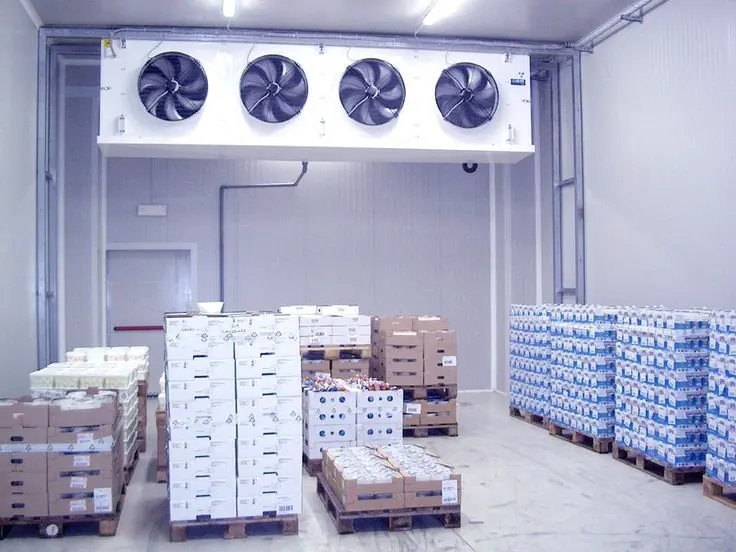
In some cabinets an evaporator fan stops when the door opens; a faulty door switch can falsely tell the controller the door is still open. The fan then remains stopped even when the door is closed, limiting cooling while the compressor may continue to run. Frequent customer or staff access can make this type of failure particularly noticeable.
The key complaint concerns door switch and evaporator fan stoppage; the useful starting evidence is temperature rising whenever the door is closed during busy periods.
We examine whether the interior light and door alarm behave correctly, then check fan operation with the switch safely actuated by a technician. Switch alignment, wiring continuity and the fan motor itself are separate possible causes. We also look for product packaging blocking the air return, which can create similar symptoms.
An evaporator fan can legitimately stop each time a fridge door is opened. That design feature makes a faulty door switch easy to mistake for a failed fan. If the switch falsely indicates the door is open, the air movement needed to cool stocked shelves may never resume. It helps to report whether the interior lamp stays illuminated and whether a door warning sounds after closure. A properly tested repair restores the intended fan sequence without permanently bypassing the cabinet safety or door-control arrangement.
Temperature rising whenever the door is closed during busy periods. Note when it first appeared and whether the pattern changes through the day.
High-turnover takeaway shops and small food retailers may have site demands that need to be considered alongside the measured fault.
A door-activated fan circuit is easily overlooked because the fan is supposed to stop when the door opens. A stuck switch may hold it off even after closure, making the cabinet warm despite a running compressor and otherwise normal controller settings.
Staff must not tape over switches or leave a cabinet light disconnected as a substitute for repair. If an open-door indicator behaves strangely, note it and reduce unnecessary door openings while the site arranges qualified assessment.
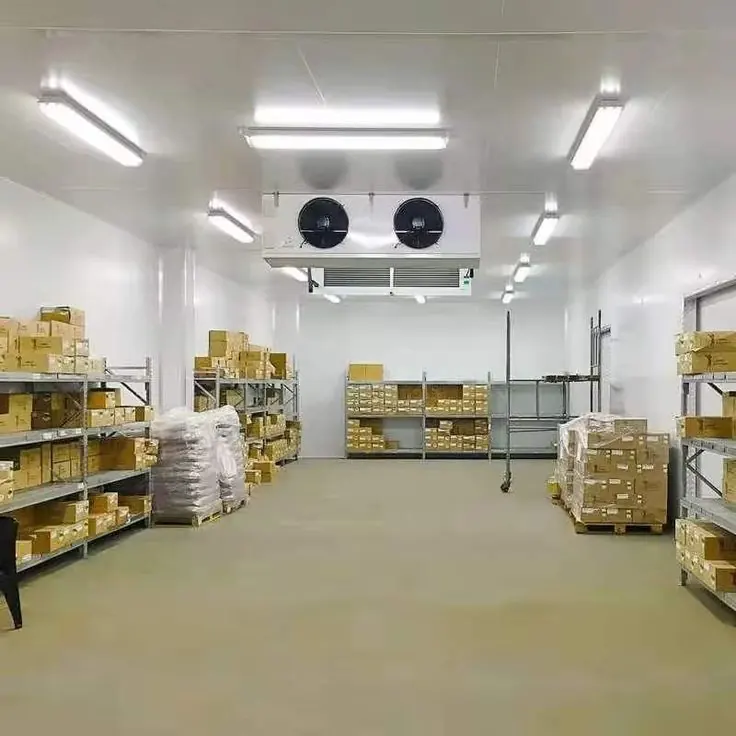
A displaced door-switch bracket may require adjustment; a failed switch or fan needs the correct component. Bypassing the switch permanently is not an acceptable repair. We verify fan operation throughout normal door cycles and check that the cabinet recovers temperature after typical use.
The check after a switch repair includes multiple door cycles and fan restart behavior with no false alarms. The target is reliable airflow behind a closed door, not simply a fan that starts once while the technician is holding an exposed switch.
Sunnyside operators should tell us whether a door-open warning appears, if the cabinet light stays on when closed and whether certain shelves warm first. Please leave protective covers in place and identify the model number if easily accessible.
We cover Sunnyside by appointment; our business address is in Laser Park, Roodepoort, not a physical branch in this suburb.
Avoid slamming cabinet doors and report a light that stays on or an unexplained fan silence. Keep the return grille clear after restocking. Frequent quick checks of actual stock temperature are more useful than compensating with repeated thermostat changes.
In some cabinets an evaporator fan stops when the door opens; a faulty door switch can falsely tell the controller the door is still open. A site inspection must confirm whether equipment performance, controls, airflow or operating load is responsible.
Sunnyside operators should tell us whether a door-open warning appears, if the cabinet light stays on when closed and whether certain shelves warm first. Please leave protective covers in place and identify the model number if easily accessible.
Do not assume stock is safe because a fan or compressor is running. Record actual product temperatures and follow your organisation’s food-safety or other storage procedure. Isolate equipment if there is an electrical hazard and avoid removing covers.
Not without diagnosis. Refrigerant is not normally consumed in a sealed system; if a leak is found, the source needs assessment and compliant repair. A warm cabinet can also result from fans, defrost controls, blocked airflow or heat load.
Choose the service matching your installed equipment. For a domestic fridge, use our household repair pages; for business cooling and cold rooms, this commercial service route is more specific.
Share the equipment type, current temperatures, alarm history and access arrangements. We’ll use the details to discuss a suitable next step and availability.