
The symptom to report
A room that cools early but drifts above setpoint by the afternoon. Note when it first appeared and whether the pattern changes through the day.
Support for walk-in cold room breakdowns, cooling faults and chilled-storage problems in Silverton.
For workshop canteens and production-site chilled stores in Silverton, dependable commercial refrigeration supports predictable food handling and business operations. We assist with problems involving walk-in cold room, including condenser heat rejection, and arrange assessment according to the installed equipment and the reported symptoms.
The situation to describe is a room that cools early but drifts above setpoint by the afternoon. Provide the pattern as accurately as you can, including the most recent measured temperatures, alarms or changes in operating conditions. That evidence is important for choosing what to inspect first.
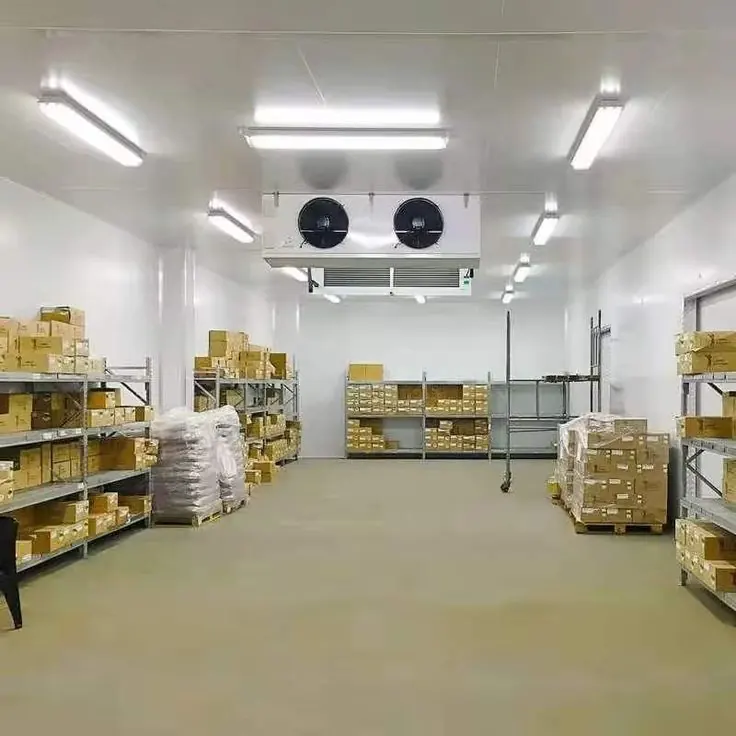
In a production-oriented setting, machinery and workshop dust can narrow the airflow available to a refrigeration condenser. The immediate symptom may resemble a refrigerant shortage, yet a heavily obstructed heat exchanger or stopped condenser fan can raise discharge pressure and force the system to cycle on protection. The technician must compare room demand with the conditions around the outdoor or plant-room equipment rather than treating the controller temperature as the whole diagnosis.
The key complaint concerns condenser heat rejection; the useful starting evidence is a room that cools early but drifts above setpoint by the afternoon.
Ask whether the temperature rises only while nearby machines are operating, whether the condenser fan starts normally and whether a high-pressure alarm has appeared. We would inspect coil condition, fan rotation and electrical supply, then compare operating temperatures and pressures where appropriate. If cleaning restores airflow but the compressor still trips, attention moves to control protection, refrigerant circuit faults and the heat load actually imposed by new stock.
If the condenser is mounted above an active yard, useful visual checks include the distance from any warm-air discharge outlet and whether crates or vehicles regularly obstruct the intake. A system that overheats at the same time every afternoon may be working against local operating conditions rather than a mysterious intermittent electrical fault. The practical decision is whether cleaning, restoring airflow, repairing a fan or changing the approved equipment placement is warranted. Measurements during the problem period are substantially more useful than a single reading taken after the workshop has closed.
A room that cools early but drifts above setpoint by the afternoon. Note when it first appeared and whether the pattern changes through the day.
Workshop canteens and production-site chilled stores may have site demands that need to be considered alongside the measured fault.
A condenser near workshop dust can be hot for several reasons. Dust loading should be distinguished from blocked discharge clearance, incorrect fan direction and a motor that slows under load. The position of the unit relative to exhausts or machinery matters because hot air recirculating into the coil can make a clean condenser perform poorly.
If refrigeration shares a yard with deliveries or machinery, safe isolation and ladder access may need coordination with the site supervisor. Provide any observed pressure-alarm code and the time it occurred, but leave pressure gauges, safety switches and high-voltage terminals to qualified personnel.
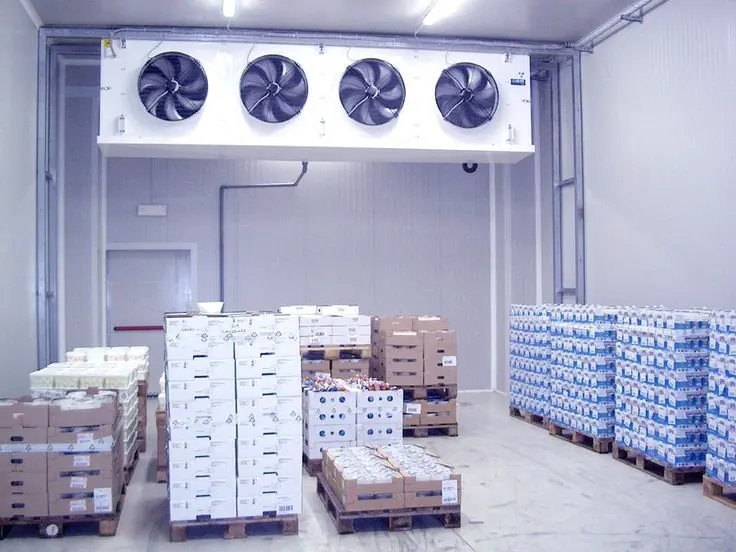
Cleaning the condenser is not a reason to ignore an intermittent fan motor or burnt terminal. Any damaged component must be evaluated and repaired under safe isolation; a system repeatedly resetting its pressure switch needs its underlying cause addressed. Performance is checked under realistic load before the room is returned to normal service. We explain which observations—temperature trend, noise or repeat alarms—should trigger another call.
For a unit that previously recovered overnight, we would want to see the afternoon trend after condenser cleaning or component correction. The decisive check is not that the fan spins, but that the system can shed heat while the room approaches its intended temperature without protection opening again.
For a Silverton manager, include the cold-room dimensions, normal setpoint, frequency of door openings and whether forklifts or deliveries obstruct the unit. Tell us if adjacent equipment is generating significant heat. These details distinguish an airflow problem from undersized capacity and help plan safe access to external condensers.
We cover Silverton by appointment; our business address is in Laser Park, Roodepoort, not a physical branch in this suburb.
Keep packaging and stored goods away from evaporator air paths, record any recurring midday temperature drift and arrange condenser-cleaning intervals appropriate to the site conditions. Staff should not defeat overloads to keep refrigeration running during a busy shift. Product-safety decisions remain the responsibility of the business under its food-handling procedures.
In a production-oriented setting, machinery and workshop dust can narrow the airflow available to a refrigeration condenser. A site inspection must confirm whether equipment performance, controls, airflow or operating load is responsible.
For a Silverton manager, include the cold-room dimensions, normal setpoint, frequency of door openings and whether forklifts or deliveries obstruct the unit. Tell us if adjacent equipment is generating significant heat. These details distinguish an airflow problem from undersized capacity and help plan safe access to external condensers.
Do not assume stock is safe because a fan or compressor is running. Record actual product temperatures and follow your organisation’s food-safety or other storage procedure. Isolate equipment if there is an electrical hazard and avoid removing covers.
Not without diagnosis. Refrigerant is not normally consumed in a sealed system; if a leak is found, the source needs assessment and compliant repair. A warm cabinet can also result from fans, defrost controls, blocked airflow or heat load.
Choose the service matching your installed equipment. For a domestic fridge, use our household repair pages; for business cooling and cold rooms, this commercial service route is more specific.
Share the equipment type, current temperatures, alarm history and access arrangements. We’ll use the details to discuss a suitable next step and availability.