
Extractor Fan Running but Airflow Is Weak
A turning fan does not guarantee useful airflow at the hood or outlet.
Industrial extraction and domestic cooker hoods both depend on a complete air path. The motor may run normally while clogged filters, a collapsed duct, blocked cowl or badly balanced system prevents enough air reaching the discharge. In industrial installations, the consequences can extend beyond odour or comfort to process control and workplace exposure.
The point at which airflow becomes weak is the first useful clue. Is suction poor at every branch, only one hood or only when several machines operate together? The answer helps separate a system-wide fan or discharge problem from a local damper or duct restriction.
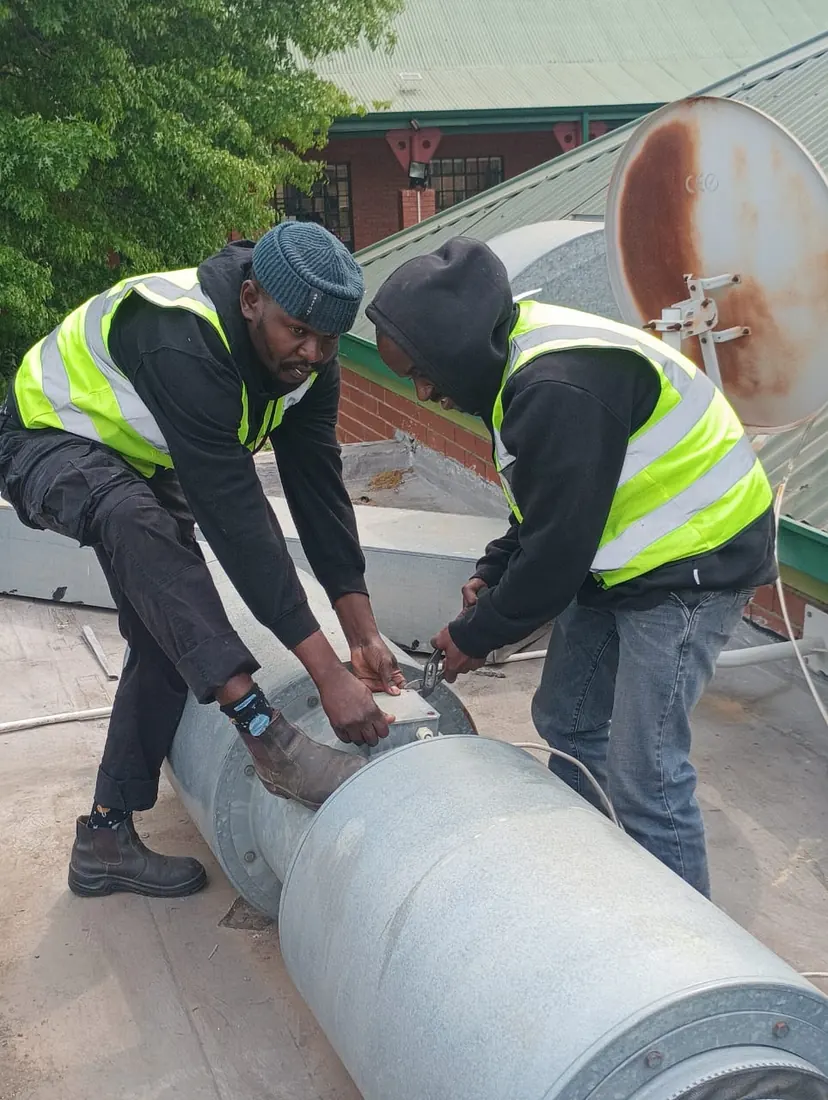
Clues worth checking before parts are ordered
Symptoms help narrow the fault, but they do not identify a component on their own. The following differences matter when discussing a repair.
Fan runs at speed but extraction is poor everywhere
Discharge restriction, fouled impeller, drive slippage or an unsuitable operating point may limit overall flow. Noise alone does not establish fan volume.
One extraction hood is much weaker than the rest
A branch damper, local blockage, disconnected flexible section or changed hood arrangement may be affecting distribution.
Flow decreases as filters load
Pressure drop across filters or dust collection equipment increases with accumulated material. Cleaning or replacement may be needed under the designed maintenance method.
Fan makes more noise with less useful airflow
Worn bearings, vibration, obstruction and certain operating conditions can increase noise while delivered air volume falls. Mechanical faults need separate assessment.
A useful sequence for fault-finding
- 01
Define the process served, number of branches, expected extraction locations and when the drop in performance began. Operators should identify whether ducting or production equipment was recently modified.
- 02
A competent technician can inspect accessible hoods, filters, dampers, ducts, fan drive, motor condition and discharge arrangements. Where workplace extraction performance is critical, appropriate airflow measurements are needed rather than visual judgement.
- 03
Correct the identified restriction or mechanical fault, then confirm system behaviour at the relevant work points. A repaired motor without acceptable extraction flow is not a completed system performance solution.
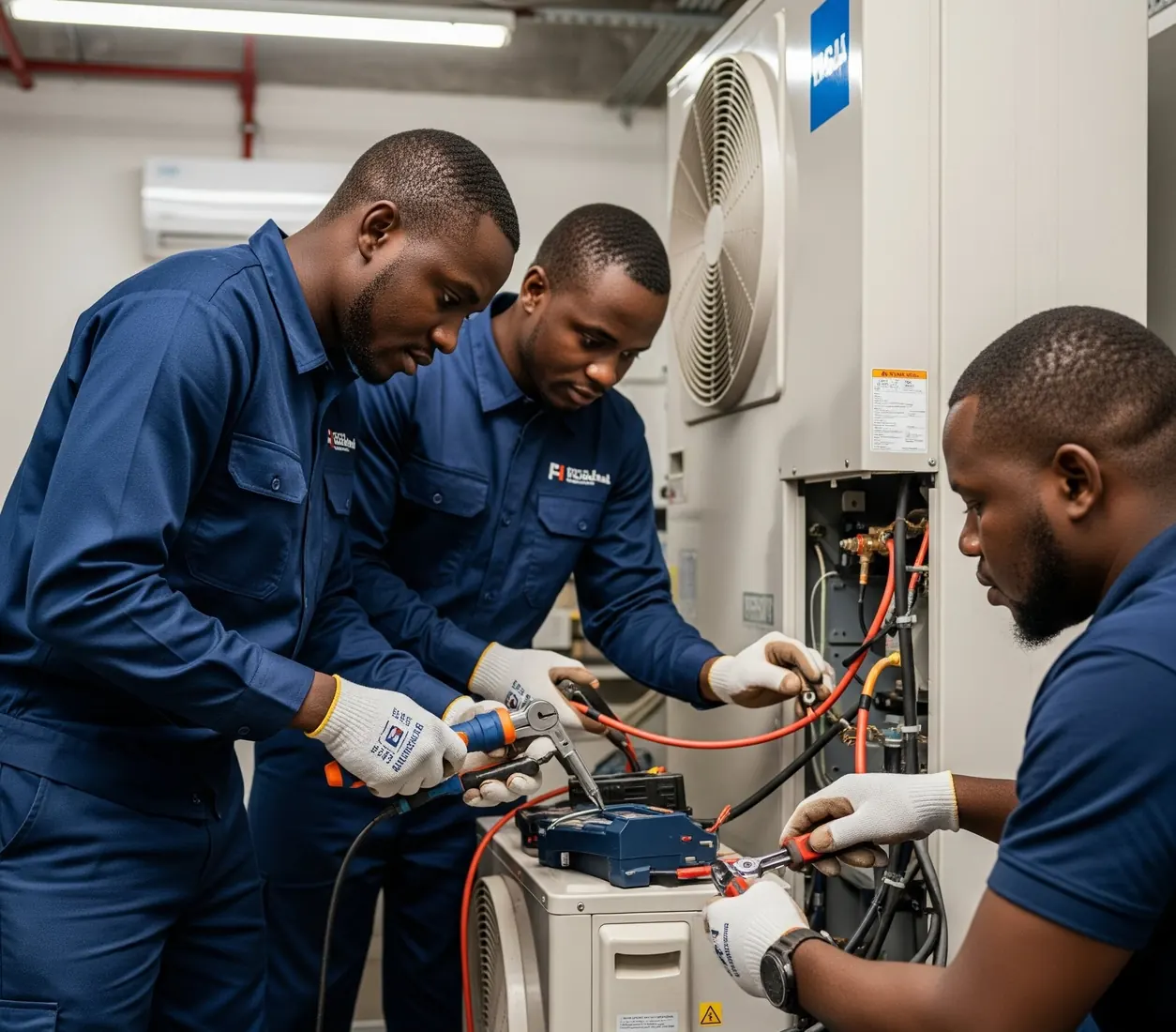
Beyond the first visible symptom
A fan operates against resistance
As filters and ductwork add pressure loss, the delivered volume changes according to the fan and system characteristics. A replacement motor of equal power cannot necessarily overcome a poorly designed or blocked network.
Dust and grease deposits change performance
Accumulations can narrow a duct, load filters and destabilise rotating impellers. Maintenance must consider contamination type and any fire, combustible-dust or hygiene risks specific to the installation.
Make-up air should not be ignored
Extraction removes air from a space. If adequate replacement air cannot enter, system performance can drop and building pressure may be affected. This is especially important where combustion appliances or other ventilation systems share the room.
Information to send with your enquiry
Send photographs of the fan, filters and accessible ducts, the area where extraction is weakest, any noise changes and whether the system serves dust, fumes, grease or ordinary indoor air.
Deciding whether to repair
Poor extraction can require cleaning, damper correction, mechanical repair or redesign depending on the root cause. If process conditions have changed, restoring the original fan may not meet the new duty.
Questions about this problem
Can the fan be working while extraction is inadequate?
Yes. A motor can run without delivering the required air volume if the path is restricted or the system operating point has changed.
Should I fit a stronger motor to improve suction?
Not before assessing the fan curve, impeller, filters and duct resistance. More motor power alone may not solve the limitation.
Why is only one hood weak?
Branch restrictions, dampers, hood changes or local duct damage can affect one point while the main fan remains in operation.