
Frost-Free Fridge Is Warm but Freezer Still Works
A good freezer temperature can disguise a serious fresh-food cooling failure.
In many frost-free combination units, the coldest section contains the evaporator and a fan distributes chilled air to the refrigerator compartment. When that circulation fails, the freezer may continue to freeze food while the fridge becomes dangerously warm. In other designs, separate evaporators or electronic dampers change the diagnostic approach.
The important distinction is whether the machine produces enough cold and cannot distribute it, or whether the refrigerator’s own controls are asking for the wrong temperature. Seeing ice behind an interior panel, hearing a fan scrape or noticing that the unit cools after a long defrost provides useful evidence.
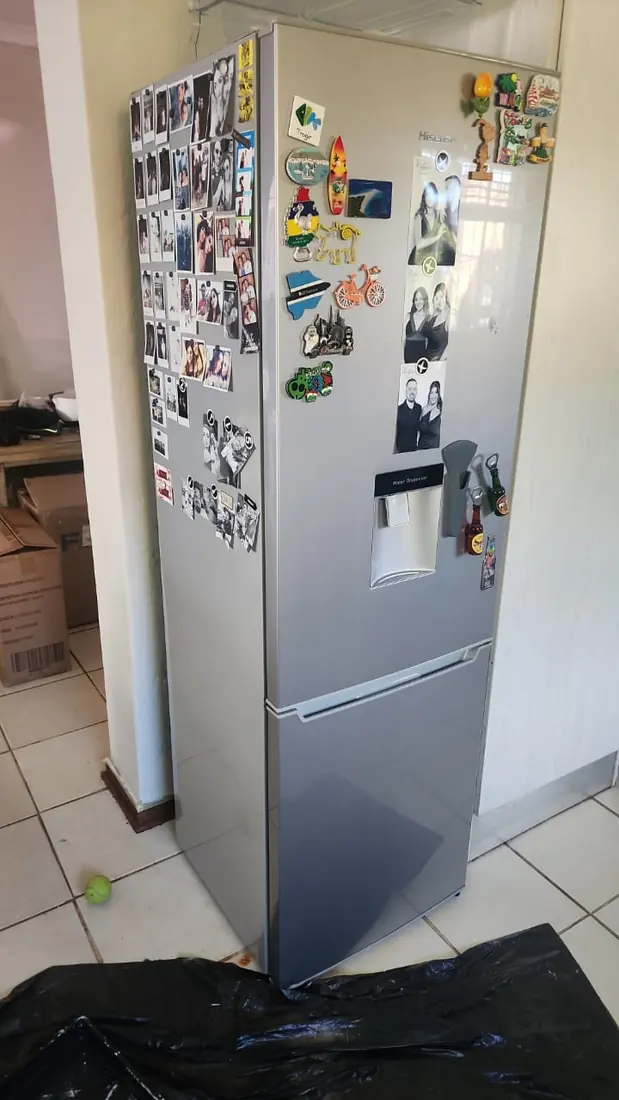
Clues worth checking before parts are ordered
Symptoms help narrow the fault, but they do not identify a component on their own. The following differences matter when discussing a repair.
Freezer food is hard, milk is warm
A circulation fan, blocked passage or damper could restrict the cold-air supply to fresh food. This pattern does not, on its own, prove low refrigerant.
Thick frost behind the rear freezer panel
The evaporator may be becoming encased in ice because of a heater, sensor, controller, air leak or drainage fault. Simply removing the ice may restore short-term airflow but allow the issue to recur.
The fridge is noisy when the door closes
A fan may be striking an ice build-up, or a door switch could influence when the fan runs. The exact sound location and timing make a significant difference.
Food near one vent freezes while other shelves warm
A misplaced item, incorrect damper position, blocked return vent or unusual fan behaviour can create uneven temperatures. The cabinet needs to be checked as a whole.
A useful sequence for fault-finding
- 01
Measure actual conditions in both compartments rather than relying only on the temperature setting shown on a digital display. Note which shelves are affected and whether the problem follows heavy shopping loads or a door left open.
- 02
Inspect accessible air passages, door gaskets, fans and any frost accumulation. Technicians can test defrost heaters, thermal protection, sensors and dampers where fitted. The goal is to find why a passage becomes blocked rather than just clear it once.
- 03
After work, airflow and the defrost cycle need verification. Recovery takes time depending on cabinet load and ambient conditions, so a short period of cool air at the vent is not adequate proof of a lasting repair.
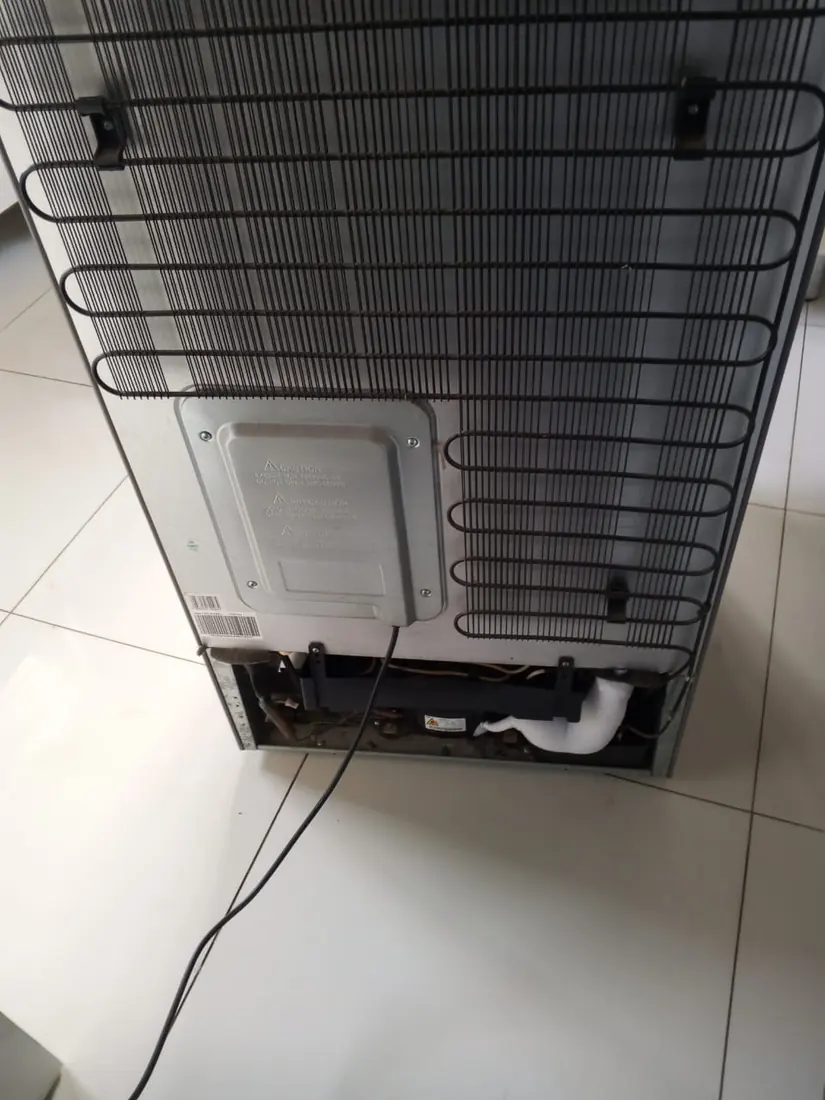
Beyond the first visible symptom
How defrost systems prevent ice blockage
Frost-free refrigerators periodically control ice on the evaporator so air can pass through its fins. A failed heater or temperature sensor may allow frost to build over several operating days; a damaged gasket can introduce excessive moisture with a similar result.
Door openings and food placement matter
Pushing food against internal vents or repeatedly leaving a poorly sealing door ajar can create local warming and condensation. These operating conditions should be considered before replacing electronics.
Why a manual defrost may mislead
A complete thaw sometimes restores normal cooling for a few days. That suggests an ice-related problem but not its precise cause; the repair assessment still needs to determine what allowed the ice to develop.
Information to send with your enquiry
Tell us which compartment remains cold, how soon the fault returned after any defrost, what the back wall looks like and whether the door seals evenly. Include an image of the model label and note any alarms.
Deciding whether to repair
Replacing an accessible fan or defrost component can be worthwhile if the cabinet and compressor system are sound. A complicated control or sealed-system fault may warrant comparing the overall condition and age of the fridge-freezer.
Questions about this problem
Does a cold freezer mean there is enough refrigerant?
Not conclusively, but poor airflow or defrost performance is often the first diagnostic priority when only one compartment is warm.
Will turning the thermostat colder repair it?
No. A lower set point cannot clear a blocked passage or restore a failed fan, and may contribute to extra ice.
Why does the problem return days after defrosting?
A defrost component, moisture entry or airflow fault may be creating the same ice build-up repeatedly. The source must be addressed.