
Gas Geyser Ignites but Produces No Hot Water
A gas geyser depends on adequate water flow, safe ignition and controlled combustion.
A gas geyser that provides hot water only some of the time may be reacting to water flow, burner ignition, supply or a temperature control fault. In an instantaneous unit, the burner sequence typically depends on sufficient water movement through the appliance. Restricted flow can therefore imitate a gas-side fault without requiring any adjustment to the gas supply.
Gas combustion introduces serious safety requirements. Soot, unusual flame behaviour, repeated flame loss or exhaust concerns must be assessed by appropriately registered gas professionals. A homeowner should record external symptoms rather than opening the casing or experimenting with gas valves.
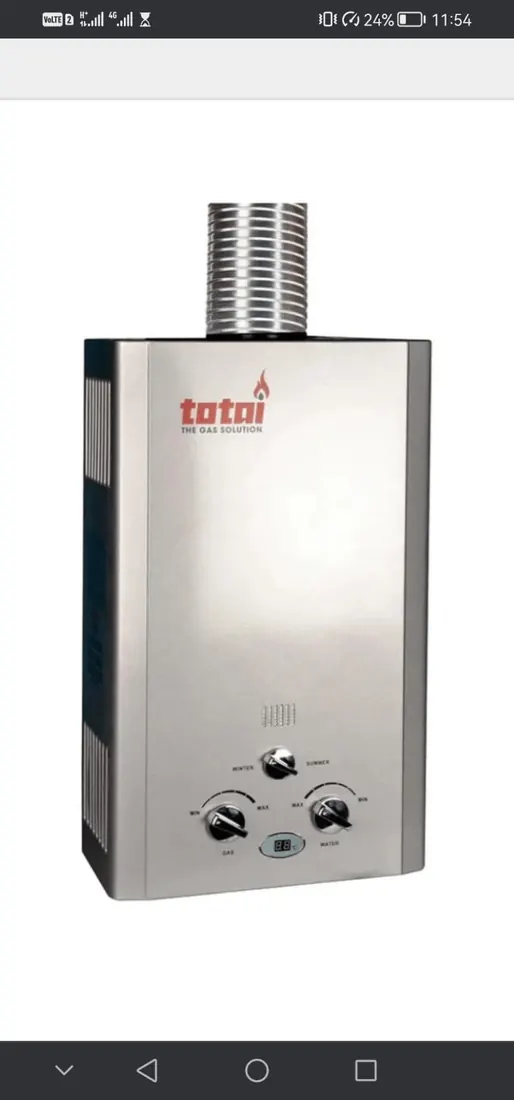
Clues worth checking before parts are ordered
Symptoms help narrow the fault, but they do not identify a component on their own. The following differences matter when discussing a repair.
Ignition clicks but the burner does not light
Ignition components, gas availability, flame detection and safety lockouts can contribute. Persistent attempts should not replace a registered inspection.
Hot water starts then turns cold
Flow fluctuations, overheating protection, sensors and combustion-related faults may interrupt heating. Note whether it happens at one tap or throughout the property.
Only one shower causes the issue
A local mixer, shower head or flow restriction can change the activation flow seen by an instantaneous heater. Comparing fixtures from outside the appliance can provide useful clues.
Soot, exhaust odour or unusual flame
These can signal unsafe combustion or ventilation. Stop using the equipment and seek urgent qualified attention rather than changing settings.
A useful sequence for fault-finding
- 01
Observe whether the unit responds at different hot taps and record any error display. Note recent water interruptions, changes to shower fittings and whether hot water is stable when demand is higher.
- 02
Qualified gas personnel can assess combustion, ventilation, ignition, flame supervision and gas supply in accordance with the equipment and regulatory requirements. Water-side filters, flow controls and sensors may also need inspection.
- 03
Return-to-service checks should confirm stable water temperature and safe combustion under relevant flow conditions. A unit that lights briefly while repeatedly locking out is not properly repaired.
Beyond the first visible symptom
Water flow is part of the ignition sequence
An instantaneous geyser may not fire at very low flow. Mineral deposits, inlet strainers and plumbing changes can affect activation. The correct remedy depends on where flow is restricted.
Flame failure systems are protective
Flame-sensing and exhaust-related devices are designed to stop unsafe operation. Bypassing them to obtain hot water defeats the appliance’s safety function.
Ventilation can affect performance and safety
Poor flue installation or insufficient combustion air may create dangerous conditions. The remedy is a compliant installation and qualified assessment, not a stronger fan placed arbitrarily near a burner.
Information to send with your enquiry
Provide the make/model, error indication, whether the burner attempts to light and whether all taps are affected. Note any water-supply disruption and avoid sending photographs that require opening the gas enclosure.
Deciding whether to repair
A sensor or water-side repair may restore service, while a seriously corroded or non-compliant installation may need more extensive work. Safety compliance must take priority over short-term restoration of hot water.
Questions about this problem
Why does the geyser work at a sink but not a shower?
A restricted shower fitting or mixer may reduce hot-water flow below the heater’s activation threshold; other causes still need consideration.
Will changing gas pressure fix intermittent hot water?
Not without expert diagnosis. Improper gas adjustments are dangerous and can cause unsafe combustion.
Is a blinking error code useful?
Yes. Record the exact code and conditions; the same general hot-water complaint can arise from different systems.