
Gas Stove Flame Weak, Yellow or Keeps Going Out
Flame colour and stability are safety clues, but diagnosis depends on the appliance and gas supply.
A gas stove can develop a weak flame on one burner, an ignition click that never lights the gas or a flame that goes out as soon as the control knob is released. Each symptom suggests a different part of the system. The distinction between one affected burner and every burner is particularly important.
Burner performance depends on correct parts, safe gas delivery, ignition and combustion air. Recently cleaned burner caps may not be seated properly, while an appliance affected by repeated flame failure can have a safety-system problem requiring registered professional attention.
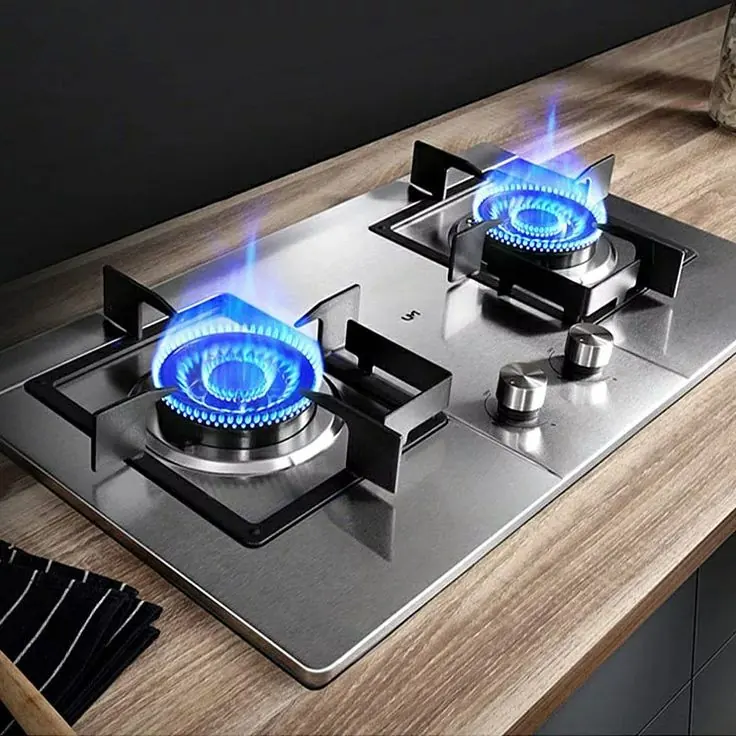
Clues worth checking before parts are ordered
Symptoms help narrow the fault, but they do not identify a component on their own. The following differences matter when discussing a repair.
One burner lights unevenly
A displaced burner cap, blocked ports or damaged local components may alter the flame. Burner pieces must be correctly seated and cleaned only under manufacturer instructions.
Every burner burns unusually weakly
A supply or pressure-related condition may be involved, although multiple local faults are also possible. Gas-pressure measurement and adjustment belong to qualified gas personnel.
Sparks click but the burner will not light
Moisture, electrode condition, burner assembly position or ignition electronics may affect the spark. An audible click alone does not show that ignition is occurring correctly.
Flame dies when the knob is released
Flame-failure supervision may not be detecting stable combustion. This protective device should never be bridged or held permanently open by an improvised method.
A useful sequence for fault-finding
- 01
Establish whether the problem affects one or all burners, whether it began after cleaning and what happens when the control is released. Any smell of gas or soot changes the priority to immediate safety.
- 02
A properly qualified professional can inspect combustion, flame supervision, ignition and the appliance’s gas supply as required. Consumer-permitted cleaning is not the same as servicing valves or regulators.
- 03
After correction, burner operation must be stable and safe in accordance with the appliance design. Working ignition is not enough if flames lift, soot, fail unexpectedly or other unsafe conditions persist.
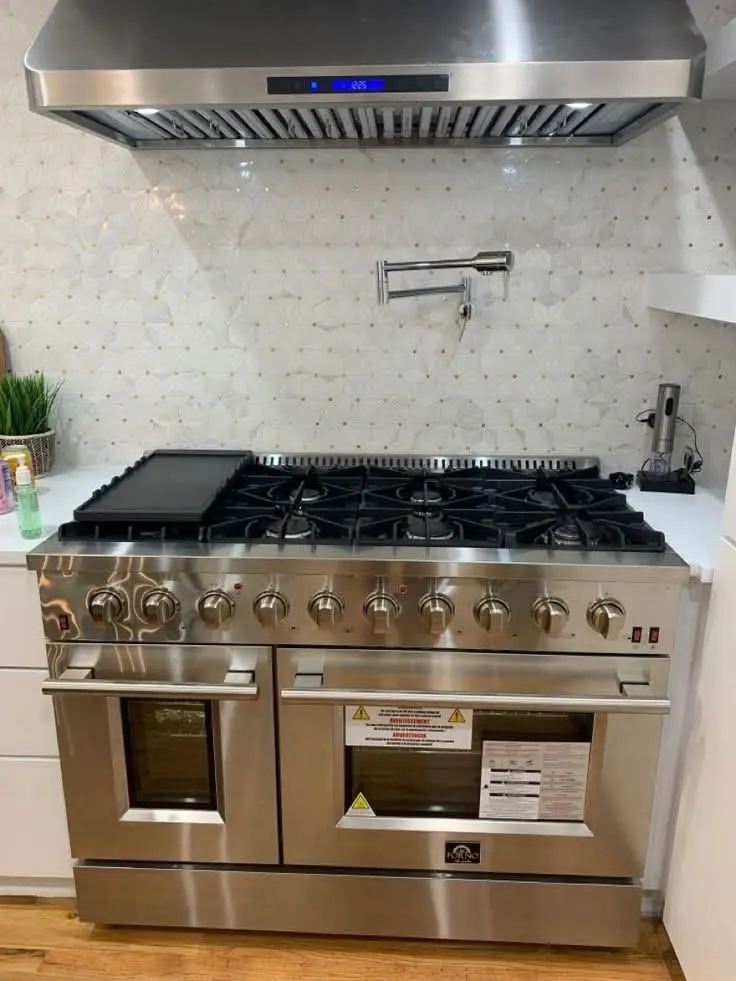
Beyond the first visible symptom
Burner alignment influences flame quality
On many cooktops the cap and spreader guide how gas and air reach the flame ports. Incorrect assembly can produce erratic ignition or uneven flames, even when the gas supply is normal.
Ignition and flame supervision do different jobs
A spark system lights the burner; flame supervision checks that combustion remains established and cuts gas when required. A fault in one does not prove failure in the other.
Yellow flames are a reason to investigate
Some brief colour changes occur with contamination, but persistent yellow or sooty flames can indicate abnormal combustion. A qualified technician should evaluate the installation rather than treating flame colour as cosmetic.
Information to send with your enquiry
Tell us the stove model, number of affected burners, whether it uses bottled or fixed gas supply, when symptoms began and if ignition clicks. Do not attempt photographs or tests where a gas leak is suspected.
Deciding whether to repair
A correctly identified ignition or burner component may be repairable. A damaged gas valve, regulator or unsafe installation requires professional assessment of parts and compliance before deciding on continued use.
Questions about this problem
Can cleaning make a burner stop lighting?
Yes. Moisture or incorrectly seated burner parts can interfere with ignition. Follow the stove manual and never dismantle gas valves.
Why must I hold the knob for so long?
Some stoves require a short period for flame supervision to confirm heat; persistent failure to stay lit needs proper diagnosis.
Is a yellow gas flame safe?
Persistent yellow or sooty flame may indicate poor combustion. Stop use and obtain qualified assessment rather than guessing at gas settings.