
HVAC Preventive Maintenance for Pretoria Facilities
Planned maintenance should find degradation before comfort complaints turn into plant downtime.
HVAC maintenance involves more than washing filters on an agreed date. Facilities depend on air movement, heat transfer, controls, drainage and equipment protection working together. A chiller or packaged unit can appear normal on a mild day but struggle as occupancy, outdoor temperature or industrial duty increases.
A useful maintenance scope reflects the installed equipment, manufacturer requirements and building operation. The checks needed for a rooftop packaged unit, a split system and an air-handling installation are not identical. Recording changing performance makes it easier to distinguish normal wear from a developing fault.
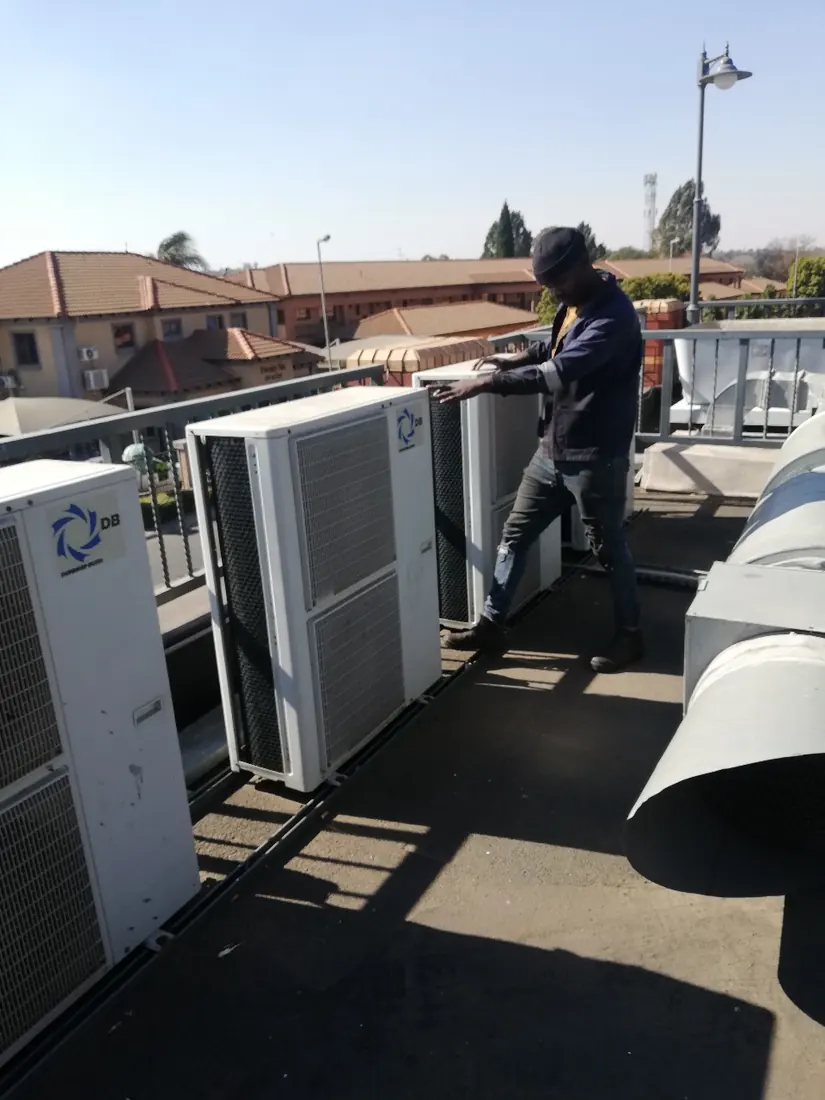
Clues worth checking before parts are ordered
Symptoms help narrow the fault, but they do not identify a component on their own. The following differences matter when discussing a repair.
Recurring high-pressure or overload alarms
Condenser fouling, poor ventilation, failing fans or changing operating loads may be stressing the equipment. Restarting repeatedly without finding the reason risks additional damage.
Some rooms warm while others remain comfortable
Control zones, dampers, supply registers, duct resistance and changed occupancy can produce uneven conditions without an identical fault in every unit.
Water appears around plant or ceilings
Condensate pans, blocked drains, failed pumps or pipe insulation may need attention. Leaks must be assessed promptly to limit building and electrical damage.
Noise or vibration trends increase
Motor bearings, belts, fan balance, mounts or loose duct components can deteriorate gradually. Trend observations are more useful than waiting for a complete failure.
A useful sequence for fault-finding
- 01
Inventory the equipment, its location, duty and service access requirements. Agree the manufacturer-specific inspection tasks and how isolation, working at height or site permits will be handled before maintenance begins.
- 02
Review filters, accessible coils, drainage, fans, belts where fitted, controls, wiring condition and documented alarms within the appropriate competency. Take baseline observations so future inspections can recognise changes.
- 03
Record defects, prioritise safety issues, explain operating consequences and make clear which repairs were not part of routine maintenance. Follow-up verification is needed after significant changes to controls or cooling components.
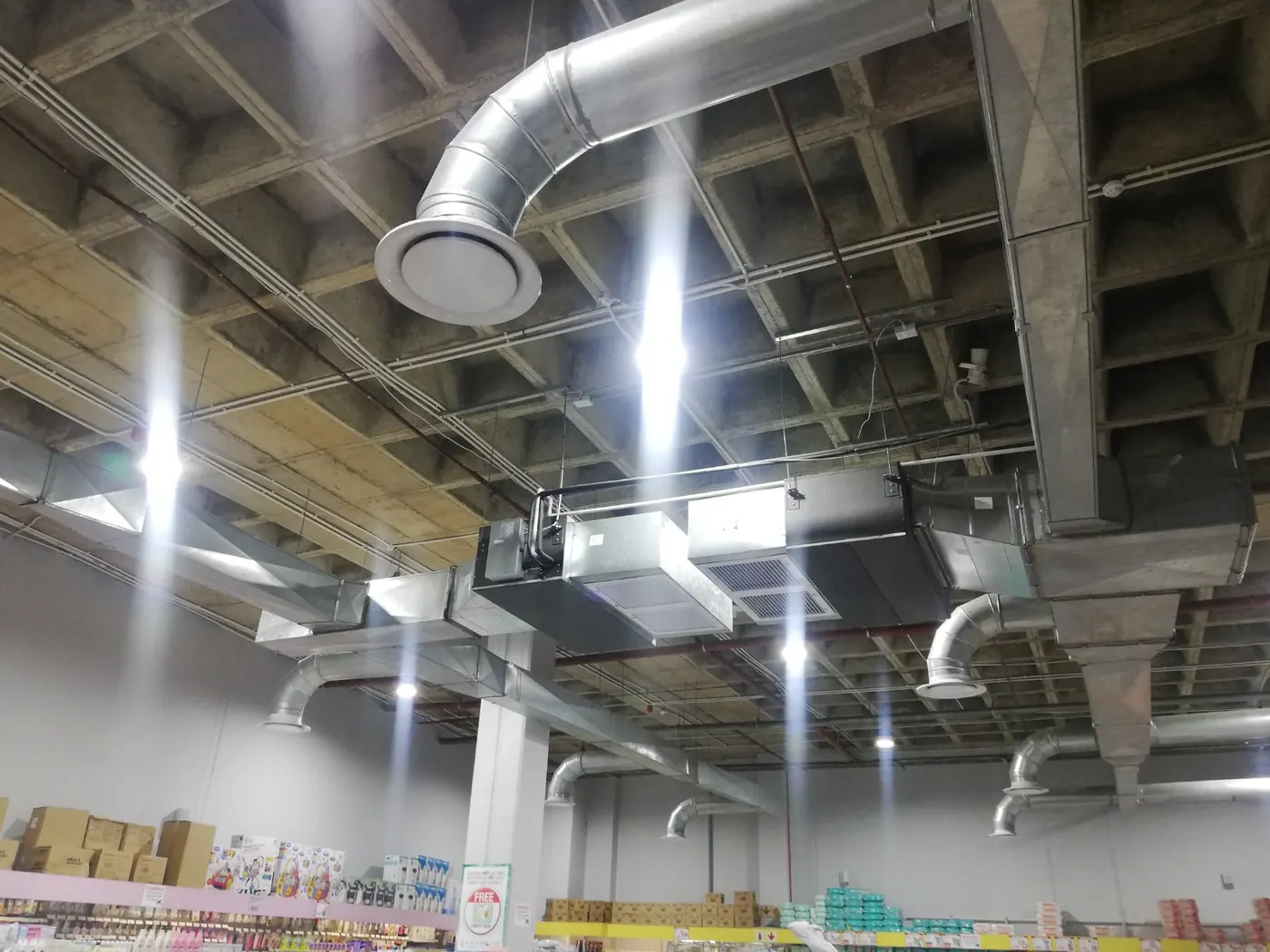
Beyond the first visible symptom
Condition matters more than a generic checklist
A filter in a dusty workshop may need attention more often than one in a lightly occupied office. The correct interval depends on equipment type, environment and pressure drop—not a promise that every system stays clean for a fixed number of months.
Changes to buildings alter HVAC demand
New partitions, longer trading hours, increased occupancy and equipment heat loads can change ventilation and cooling requirements. Maintenance records should note these changes so that capacity questions are not mistaken for broken parts.
Trend logs support better decisions
Recording alarm recurrence, fan condition, supply temperatures and known defects can reveal a gradual loss of performance. Such records are particularly valuable when equipment operates across several shifts and no single technician sees every fault.
Information to send with your enquiry
When requesting maintenance, supply the approximate number and type of units, equipment locations, site access and known recurring faults. If available, share previous maintenance records and whether the building has critical operating hours.
Deciding whether to repair
Repair or replacement priorities should reflect equipment condition, repairability, operational criticality and costs over time. Maintenance findings should give facilities staff a practical plan, not simply a completed checklist.
Questions about this problem
How often should HVAC equipment be serviced?
Intervals depend on manufacturer instructions, use and environment. A commercial kitchen or dusty factory may require a different plan from a lightly used office.
Does maintenance eliminate breakdowns?
No. It can reveal deterioration and reduce preventable failures, but unexpected component faults can still occur.
Should a maintenance visit include major repairs?
A clear scope distinguishes inspection and routine tasks from identified repair work requiring parts, extra access or separate approval.