
The symptom to report
Water is visible at the bottom of the heater after hot-water demand.
Practical support for drips appearing under a wall-mounted unit affecting water leak near gas heater.
For apartments, student residences and shared-use facilities in Hatfield, drips appearing under a wall-mounted unit can interrupt expected service from water leak near gas heater. We assist customers with booking information and diagnosing faults appropriate to our service scope. Contact us at the published number; Laser Park, Roodepoort is the business address, and Hatfield is an area served by arrangement.
Water is visible at the bottom of the heater after hot-water demand. That history gives the starting point for arranging water leak near gas heater service. Record whether leakage occurs only when running, and whether the nearby pipework or unit casing becomes wet first. We can discuss an appointment and whether the installed equipment falls within our services.
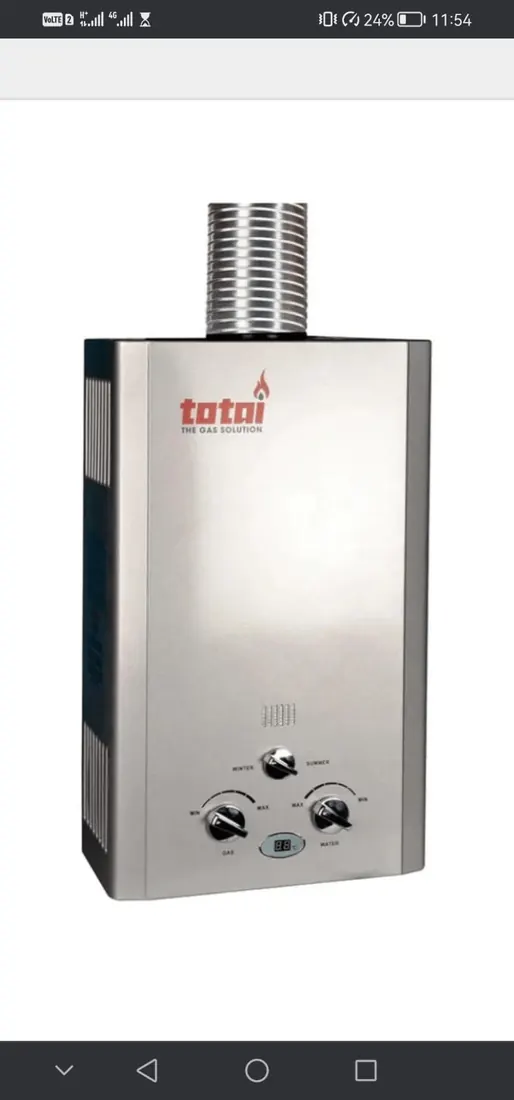
The source might be a plumbing connection, pressure relief discharge or internal water passage; visible dripping alone cannot identify a gas-system defect.
Keep electrical parts dry, do not open the combustion casing, and shut off the appliance if leaking water threatens electrics or creates an unsafe situation.
Drips under a heater can come from several water-side sources. The difference between continuous leakage and a leak only during hot-water demand matters. Water near electrical controls adds an immediate safety concern.
Water is visible at the bottom of the heater after hot-water demand.
Water beneath the heater needs to be located without opening its sealed combustion compartment. A leak visible only during demand may involve a different water-side path from a continuous drip, and water near electrical parts is a separate concern. This is relevant to the particular report of drips appearing under a wall-mounted unit with water leak near gas heater. The technician must distinguish a controllable site condition from an actual mechanical or safety defect.
Correcting a water-side fitting needs appropriate compatibility and a subsequent check that the gas appliance remains safely installed and operates as intended.
Correcting a water-side fitting needs appropriate compatibility and a subsequent check that the gas appliance remains safely installed and operates as intended. Keep electrical parts dry, do not open the combustion casing, and shut off the appliance if leaking water threatens electrics or creates an unsafe situation.
If water reaches the heater’s electrical supply or casing, stop using the equipment and seek competent advice. Do not open sealed covers or test gas fittings yourself.
If leakage creates an electrical risk, stop use and arrange competent assistance. The technician should check the integrity of the affected connection and its operation after repair. Work involving combustion, gas supply and flue systems requires a registered gas practitioner.
Do not remove the combustion housing to locate a leak. Where safe, isolate water and follow professional advice.
Keep electrical parts dry, do not open the combustion casing, and shut off the appliance if leaking water threatens electrics or creates an unsafe situation. A satisfactory outcome addresses water is visible at the bottom of the heater after hot-water demand. at the affected water leak near gas heater rather than a general promise that the system appears normal.
Record whether leakage occurs only when running, and whether the nearby pipework or unit casing becomes wet first. The enquiry should identify the water leak near gas heater make and model and give safe access instructions. The particular situation is water is visible at the bottom of the heater after hot-water demand.
Record whether leakage occurs only when running, and whether the nearby pipework or unit casing becomes wet first.
If leakage creates an electrical risk, stop use and arrange competent assistance. The technician should check the integrity of the affected connection and its operation after repair. This guidance is especially relevant to drips appearing under a wall-mounted unit and should be considered after authorised service before returning to ordinary use.
The source might be a plumbing connection, pressure relief discharge or internal water passage; visible dripping alone cannot identify a gas-system defect. Record whether leakage occurs only when running, and whether the nearby pipework or unit casing becomes wet first.
The source might be a plumbing connection, pressure relief discharge or internal water passage; visible dripping alone cannot identify a gas-system defect. In Hatfield the operational setting is apartments, student residences and shared-use facilities. Water beneath the heater needs to be located without opening its sealed combustion compartment. A leak visible only during demand may involve a different water-side path from a continuous drip, and water near electrical parts is a separate concern. The appointment description should separate observable facts from any previous assumption about the failed component.
Record whether leakage occurs only when running, and whether the nearby pipework or unit casing becomes wet first. Correcting a water-side fitting needs appropriate compatibility and a subsequent check that the gas appliance remains safely installed and operates as intended. Water is visible at the bottom of the heater after hot-water demand. An accurate timeline and model identification can help separate an environmental limitation from a repairable fault.
The source might be a plumbing connection, pressure relief discharge or internal water passage; visible dripping alone cannot identify a gas-system defect.
Before arranging access, identify the heater model and whether the symptom affects every outlet or only one. Record error codes from the normal display if visible. Do not remove covers, work on the regulator or test for leakage with a flame. If a landlord or facility manager controls access, include their contact details.
If you smell gas, suspect a leak or experience possible combustion-fume symptoms, stop using the appliance. If safe, avoid ignition sources, leave the affected area and contact the gas supplier or appropriate emergency service and a qualified gas practitioner. Do not return until the installation is made safe.
Yes. Contact us with your address in Hatfield to check service availability and discuss an appointment. Our listed business address is Laser Park, Roodepoort, 2040; we do not claim a separate office in Hatfield.
For residents and operators in Hatfield, our water leak near gas heater service information covers drips appearing under a wall-mounted unit. You can also use the general suburb guide to ask about a different kind of appliance or electrical service.
Describe the actual fault and installation rather than guessing which component is damaged. We will discuss the most suitable next step and availability.