
What the user notices
a burner lights briefly but cannot sustain a flame without holding the control
Flame goes out when the knob is released
A modern hob with flame-failure protection in Silver Lakes can develop a burner lights briefly but cannot sustain a flame without holding the control. Flame supervision is a safety feature, not an inconvenience to defeat. A flame that vanishes when the knob is released may involve a sensor not heating correctly, burner position, an interrupted signal or the approved control mechanism. It needs a different assessment from a burner that will not spark at all.
To plan an appropriate visit, we need the appliance model and whether the issue involves ignition, combustion, temperature control or an electrical circuit. For the reported problem—flame goes out when the knob is released—please explain the sequence of events without attempting unsafe tests.
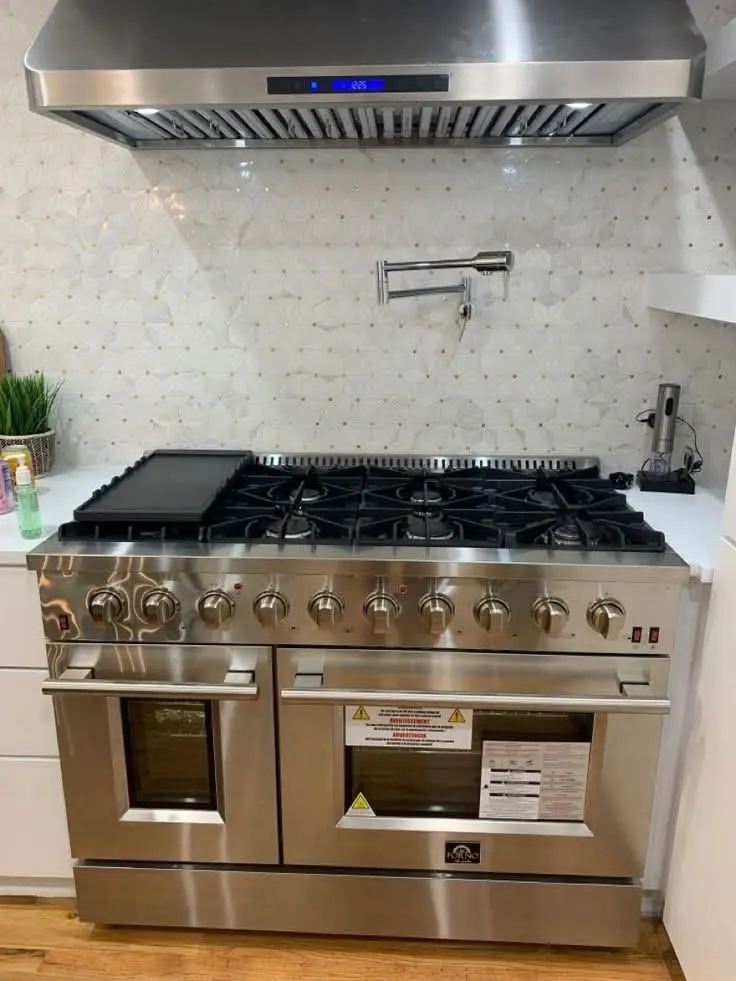
The flame sensor is part of the safety system, so the exact sequence of lighting and extinction matters. A burner that lights, stays alight for a few seconds and then closes behaves differently from one that never develops a flame. Mention whether the knob must be held unusually long or whether the ring goes out at a low setting. These signs guide a qualified inspection but do not justify defeating gas shut-off protection to keep cooking.
We distinguish flame contact at the sensing point from electrical or mechanical faults in the supervision path. A professional should assess burner seating and the device operation without bypassing protective shut-off behaviour.
a burner lights briefly but cannot sustain a flame without holding the control
One faulty ring points to a different line of investigation from a complete hob losing heat. Gas-pressure and component checks are for registered practitioners.
A hob that immediately cuts gas after a flame goes out may be demonstrating an important protective feature. The fault is that it cannot keep the flame running during ordinary use, not that the protection exists. We need to know whether the burner fires at full setting, where the flame sits around the sensor and whether the control responds normally on the other rings.
Replacing a sensor is justified only when inspection supports that decision. If a control valve or gas connection is involved, qualified and properly registered gas work is essential; bypassing a thermocouple is never a repair.
Flame goes out when the knob is released can present in different ways on different cooker models. We distinguish flame contact at the sensing point from electrical or mechanical faults in the supervision path. A professional should assess burner seating and the device operation without bypassing protective shut-off behaviour.
Replacing a sensor is justified only when inspection supports that decision. If a control valve or gas connection is involved, qualified and properly registered gas work is essential; bypassing a thermocouple is never a repair. A satisfactory result includes stable operation and functional flame-failure shutdown when the manufacturer specifies it.
Record which ring fails, how long the flame lasts and whether it behaves differently at low and full flame. Avoid repeated unsuccessful ignition attempts. For properties in Silver Lakes, advise whether technicians need access through an estate gate, property manager or building caretaker, where relevant; that prevents an unnecessary delay.
Never hold a safety control artificially in the on position or obstruct its flame-sensing mechanism. Stop using a ring that will not remain safely lit under its normal operating procedure.
A satisfactory result includes stable operation and functional flame-failure shutdown when the manufacturer specifies it. Keep a record of which burners, controls or oven modes were checked so any future service enquiry can refer to the work actually completed.
After authorised repair, confirm ignition, sustained flame and correct protective closure; temporary tricks to hold the valve open are not acceptable.
Should flame goes out when the knob is released recur, tell us whether a burner lights briefly but cannot sustain a flame without holding the control and whether new signs have appeared. This helps differentiate a recurring defective part from another cause that looks similar.
Record which ring fails, how long the flame lasts and whether it behaves differently at low and full flame. Avoid repeated unsuccessful ignition attempts. Please include the stove type and which burner or oven setting is affected so we can identify the appropriate assessment.
Do not dismantle gas valves, alter injector sizes, bypass flame-failure protection or attempt unregistered gas work. Stop using equipment that smells of gas or produces soot, and seek qualified assessment.
No. Silver Lakes is listed as a service-coverage location, not a physical branch. The provided business address is Laser Park, Roodepoort, 2040. Appointments are confirmed when you contact us.
We distinguish flame contact at the sensing point from electrical or mechanical faults in the supervision path. A professional should assess burner seating and the device operation without bypassing protective shut-off behaviour. We discuss the expected next step before work proceeds; a fault description alone cannot establish the price or parts required.
Choose a gas stove service request for modern hob with flame-failure protection in Silver Lakes; the separate general-appliance and gas-geyser information covers different equipment. Appointment coverage depends on the location and service details you provide.
Tell us what the cooker does and whether any safety warning is present. We will confirm service availability and discuss the appropriate next step.