
Compressor buzzes for seconds and goes silent
Start components, overload protection or winding faults can lead to this pattern. A qualified technician must test the actual motor control design before parts are selected.
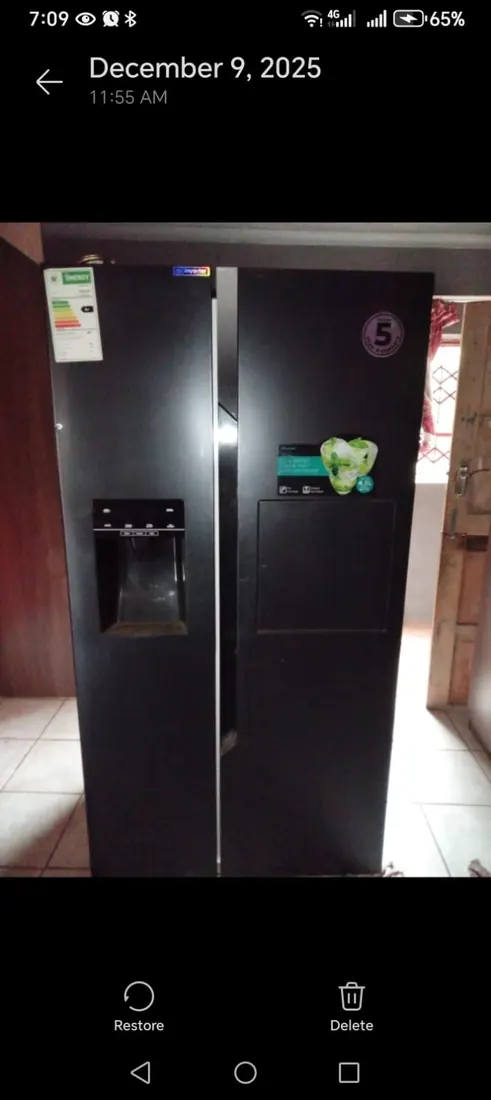
Annlin refrigerator repairs can involve noisy compressor starts, frost in freezer drawers or inadequate food-compartment cooling. We use the pattern of symptoms to decide whether checks should begin with the electrical supply, defrost process or cabinet airflow.
Start components, overload protection or winding faults can lead to this pattern. A qualified technician must test the actual motor control design before parts are selected.
Warm air entering at a misaligned gasket, door obstruction or imperfect defrost cycle can form ice around the rails.
Cabinet levelling, hinge condition and stored items may prevent proper closing. An unsealed door adds humidity and raises cooling demand.
Door switches, icing, a failing fan motor or electronics may interrupt airflow. Compare warm-zone temperatures and listen for fan behaviour without opening covers.
We inspect door geometry before concluding that repeated frost indicates a defective heater, and evaluate compressor operation separately from fan circulation. The observations point to different test paths.
After confirming the cause, we discuss the cost and scope of the repair, then check normal fan, compressor and seal operation under load.
Let us know where frost first appears, whether the fridge is level and the interval of any start buzzing. Stop using it if wiring overheats or protection trips.
Do not open powered panels or sealed refrigeration circuits. If overheating, sparking or smoke occurs, disconnect only when safe and seek qualified help.
Identify the refrigerator model and the temperature or fault behaviour without dismantling the unit.
Enter your Annlin address and an accessible contact number in the editable booking form.
We review your enquiry, confirm service availability and discuss appropriate diagnosis before any parts or repair work is approved.
Frost around a single drawer perimeter points toward poor closing contact, but ice coating the evaporator may imply missed defrost. Their repair methods differ and should not be confused.
Move perishable food to working refrigeration if cooling fails. After repair, verify temperatures under ordinary use.
Ice can accumulate because a defrost component fails, but air leaking through a door seal can produce similarly persistent frost. A drawer partly held open by packaging may be enough to create a narrow ice band around the opening. The pattern matters: frost concentrated at a perimeter suggests an air-leak path, while a heavily iced evaporator can signal a heater or sensor problem. We inspect the gasket, drawer runners, thermistors and defrost controls appropriate to the model. Simply removing visible ice is not a complete repair if the underlying source of moisture or missed defrost remains.
Start components, overload protection or winding faults can lead to this pattern. A qualified technician must test the actual motor control design before parts are selected.
Warm air entering at a misaligned gasket, door obstruction or imperfect defrost cycle can form ice around the rails. We confirm suitable appointment availability for your address before attendance.
Let us know where frost first appears, whether the fridge is level and the interval of any start buzzing. Stop using it if wiring overheats or protection trips. Avoid opening panels or refrigerant pipes to take photographs.
Tell us the model, symptoms and exact location. We will confirm the next available service option.