
Cooling recovers after being switched off overnight
Thawing can temporarily clear an iced evaporator, but the original heater, sensor, door or fan problem may recur. We review how many days pass before performance drops again.
We arrange Die Wilgers fridge diagnostic enquiries for standard and frost-free refrigerators. A machine that alternates between good and poor cooling often needs its defrost, sensing or control sequence assessed over time rather than tested only during a brief restart.
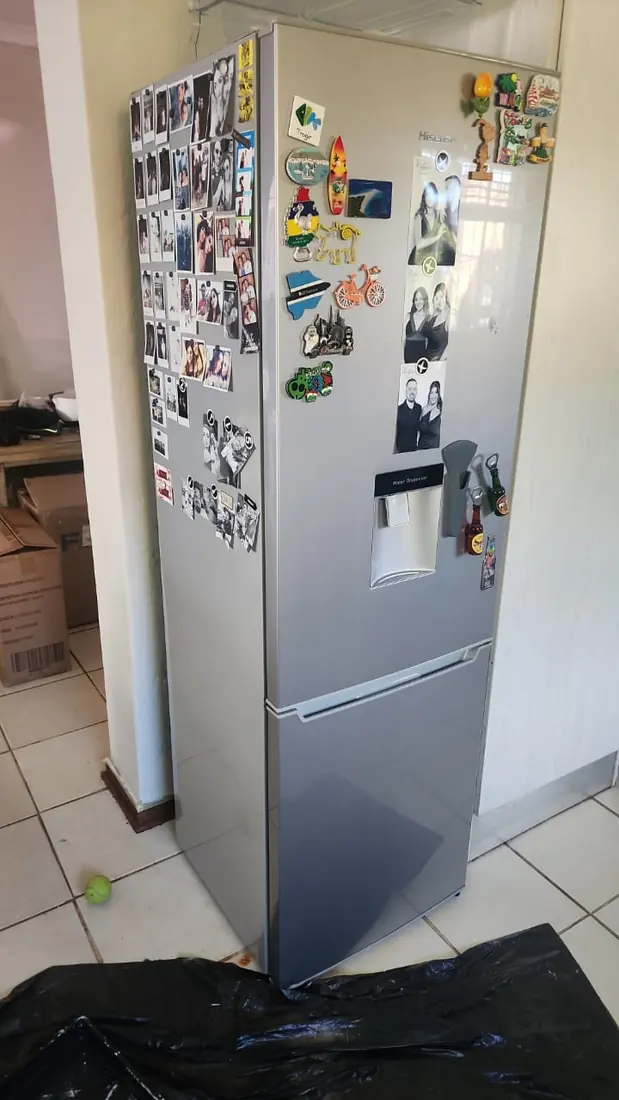
Thawing can temporarily clear an iced evaporator, but the original heater, sensor, door or fan problem may recur. We review how many days pass before performance drops again.
Fan blades can strike accumulated ice, or a motor bearing may deteriorate. The frost pattern and fan behaviour help separate mechanical and defrost faults.
An incorrectly reporting temperature sensor or malfunctioning air damper can direct excessive cold air into one part of the cabinet.
Door switches, magnetic sensors, hinge alignment and shelving can interfere with closure detection. We examine sealing and controls rather than muting the alarm.
Recurrent faults need timing evidence: what happens immediately after defrost, what returns after several cycles and which compartment changes first. We check both physical frost and control readings.
The verified defect might be a heater, thermistor, fan, gasket or sensor connection. We explain why that part is indicated and assess repeat temperature performance after repair.
Please record the number of days between cooling failures, any alarm codes and whether a long switch-off temporarily restores operation. Avoid hacking ice off the evaporator cover.
Do not open powered panels or sealed refrigeration circuits. If overheating, sparking or smoke occurs, disconnect only when safe and seek qualified help.
Identify the refrigerator model and the temperature or fault behaviour without dismantling the unit.
Enter your Die Wilgers address and an accessible contact number in the editable booking form.
We review your enquiry, confirm service availability and discuss appropriate diagnosis before any parts or repair work is approved.
A refrigerator that repeatedly recovers after defrosting needs an explanation of the recurring ice. Log the recovery period and the exact day when fresh-food temperature rises again.
Move perishable food to working refrigeration if cooling fails. After repair, verify temperatures under ordinary use.
If a frost-free fridge works for two days after being defrosted and then gradually warms, ice may be blocking airflow again. The reason for that icing still matters: a failed heater, control sensor, fan or poorly closing door can all create different patterns. Simply switching off the unit repeatedly may preserve cooling for a short period while allowing food temperatures to fluctuate. We inspect defrost components and door seal contact, then confirm whether the appliance continues to hold temperature under ordinary use. A fridge alarm should only be cleared after the underlying condition has been addressed.
Thawing can temporarily clear an iced evaporator, but the original heater, sensor, door or fan problem may recur. We review how many days pass before performance drops again.
Fan blades can strike accumulated ice, or a motor bearing may deteriorate. The frost pattern and fan behaviour help separate mechanical and defrost faults. We confirm suitable appointment availability for your address before attendance.
Please record the number of days between cooling failures, any alarm codes and whether a long switch-off temporarily restores operation. Avoid hacking ice off the evaporator cover. Avoid opening panels or refrigerant pipes to take photographs.
Tell us the model, symptoms and exact location. We will confirm the next available service option.