
Fridge cools overnight but warms in the afternoon
Hot ambient conditions and poor condenser airflow add load, while a weak fan or cooling system can make that load harder to meet.
Doornpoort fridge enquiries are assessed according to cabinet temperature, heat rejection and the appliance’s start sequence. Temperature complaints that worsen at certain times can point to different causes than a unit that never starts after a power failure.
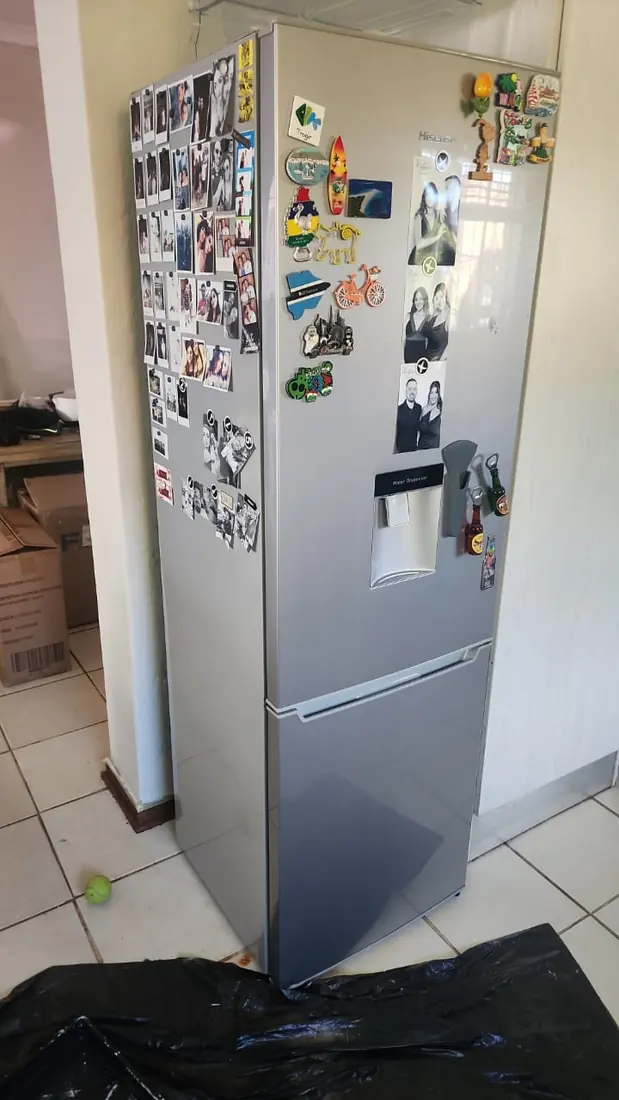
Hot ambient conditions and poor condenser airflow add load, while a weak fan or cooling system can make that load harder to meet.
A heater relay, sensor or control error may affect timing, but modern units also pause the compressor routinely. We compare the duration to the actual temperature change.
Power-recovery alarms may be historical or ongoing. We confirm whether actual cabinet temperatures recover before deciding on an electronic fault.
Defrost water may be backing up from a frozen drain, requiring attention to the drainage path and the reason it repeatedly freezes.
Time-of-day patterns, defrost drainage and restart history each suggest different checks. We use actual temperature measurements and model documentation instead of assuming a low refrigerant charge.
The repair might be a ventilation correction, drainage work or an electrical component; component replacement should follow testing and a final temperature recovery check.
Explain when the fridge loses temperature, whether power has been unstable and where ice is present. Avoid scraping ice with sharp metal implements.
Do not open powered panels or sealed refrigeration circuits. If overheating, sparking or smoke occurs, disconnect only when safe and seek qualified help.
Identify the refrigerator model and the temperature or fault behaviour without dismantling the unit.
Enter your Doornpoort address and an accessible contact number in the editable booking form.
We review your enquiry, confirm service availability and discuss appropriate diagnosis before any parts or repair work is approved.
Compare morning and afternoon readings with the appliance position and room conditions. A warm kitchen can expose weak heat rejection but does not establish refrigerant shortage.
Move perishable food to working refrigeration if cooling fails. After repair, verify temperatures under ordinary use.
The refrigeration cycle must reject heat into the room before the cabinet can cool. If a condenser is coated with debris or the fridge is pressed tightly against cabinetry, heat rejection may become marginal when room temperature rises. We also check whether door seals, evaporator fans and controls are working as intended. A refrigerator that warms every afternoon should be monitored with an internal thermometer, not judged by how cold the back wall feels. Food protection takes priority if readings move outside suitable storage conditions.
Hot ambient conditions and poor condenser airflow add load, while a weak fan or cooling system can make that load harder to meet.
A heater relay, sensor or control error may affect timing, but modern units also pause the compressor routinely. We compare the duration to the actual temperature change. We confirm suitable appointment availability for your address before attendance.
Explain when the fridge loses temperature, whether power has been unstable and where ice is present. Avoid scraping ice with sharp metal implements. Avoid opening panels or refrigerant pipes to take photographs.
Tell us the model, symptoms and exact location. We will confirm the next available service option.