
Fridge warms during frequent food preparation
Repeated door opening, blocked shelves and marginal cooling capacity can produce high temperatures. A technician must still verify fans, defrost controls and condenser ventilation.
Hazelwood households and small food-service settings can have very different refrigerator loads. We investigate cooling complaints by asking what the cabinet stores, how often it is opened and whether its design is appropriate for the demand.
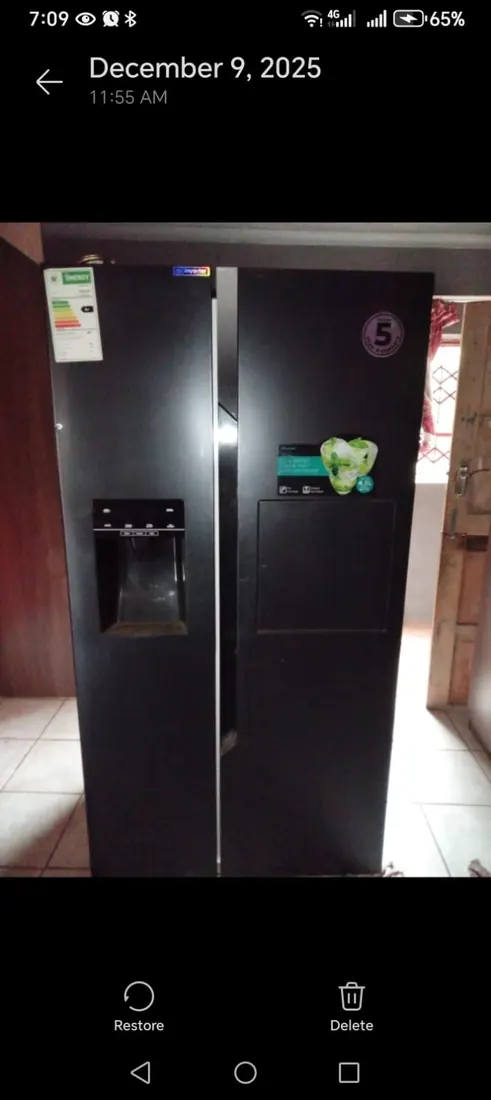
Repeated door opening, blocked shelves and marginal cooling capacity can produce high temperatures. A technician must still verify fans, defrost controls and condenser ventilation.
Humid air entering through a poor seal or prolonged opening causes moisture. We compare the pattern across surfaces before suspecting any refrigerant issue.
A defective temperature sensor, leaking gasket or low cooling output may prevent normal cycling. Stable temperature measurements help identify which function is failing.
A worn hinge, sagging door or overloaded door bins can reduce gasket contact. Continued operation can worsen both moisture and temperature problems.
We match the refrigerator design to its actual application. An appliance used in a busy prep area may need a separate capacity assessment, while a domestic unit still requires proper temperature control and airtight door closure.
We address a proven sealing, airflow or electrical defect, or discuss when the intended duty exceeds the machine design. Repair confirmation requires stable cooling, not only a smooth-sounding motor.
Describe whether this is a home kitchen or business appliance, how frequently the doors open, what food needs protection and whether the cabinet is integrated.
Do not open powered panels or sealed refrigeration circuits. If overheating, sparking or smoke occurs, disconnect only when safe and seek qualified help.
Identify the refrigerator model and the temperature or fault behaviour without dismantling the unit.
Enter your Hazelwood address and an accessible contact number in the editable booking form.
We review your enquiry, confirm service availability and discuss appropriate diagnosis before any parts or repair work is approved.
Heavy door traffic creates moisture as well as increased cooling demand. It is important to identify whether the cabinet was designed for that workload before promising a repair will remove every temperature fluctuation.
Move perishable food to working refrigeration if cooling fails. After repair, verify temperatures under ordinary use.
A refrigerator operating beside cooking equipment has more heat to reject, especially if cabinets restrict air movement. High door traffic also introduces humidity that can accumulate on the evaporator or door frame. These external demands should be documented, but they are not an excuse for an appliance that cannot maintain safe storage temperatures. We examine fan circulation, gasket contact, condenser condition and the working temperature rather than replacing parts solely because the compressor sounds busy. Commercial applications may require equipment designed for higher duty and appropriate professional food-safety practices.
Repeated door opening, blocked shelves and marginal cooling capacity can produce high temperatures. A technician must still verify fans, defrost controls and condenser ventilation.
Humid air entering through a poor seal or prolonged opening causes moisture. We compare the pattern across surfaces before suspecting any refrigerant issue. We confirm suitable appointment availability for your address before attendance.
Describe whether this is a home kitchen or business appliance, how frequently the doors open, what food needs protection and whether the cabinet is integrated. Avoid opening panels or refrigerant pipes to take photographs.
Tell us the model, symptoms and exact location. We will confirm the next available service option.