
Fridge takes hours to cool newly stored lunches
Added heat can lengthen recovery, but persistent warm readings warrant checks of fans, door seals and heat rejection.
Highveld refrigerator repairs can be requested for compact workplace kitchens as well as family homes. We check how many times the unit is opened, whether warm items are added regularly and whether its ventilation matches the available space.
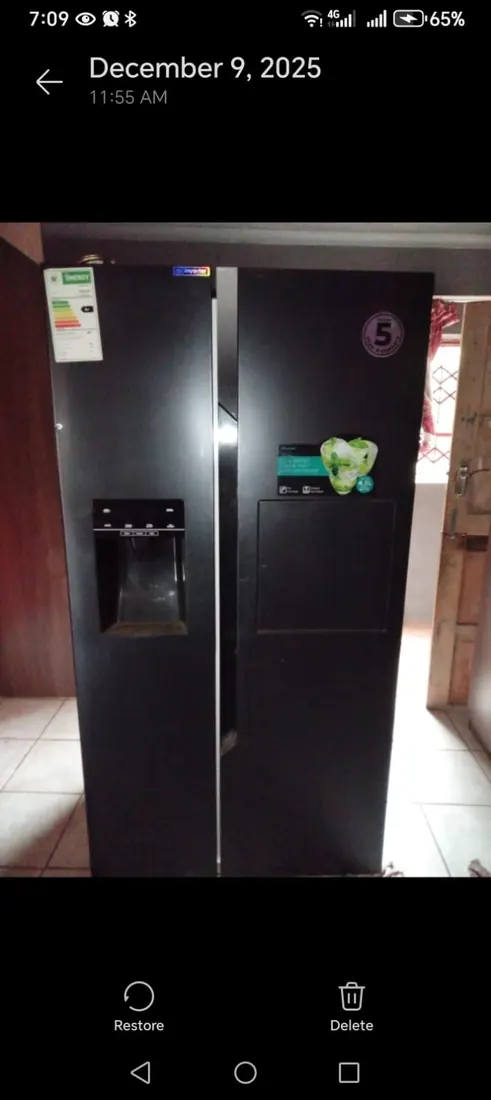
Added heat can lengthen recovery, but persistent warm readings warrant checks of fans, door seals and heat rejection.
Contact with furniture, uneven feet or worn mounting may transmit noise; cooling output must be assessed separately.
Return vents or circulation fans may be obstructed, and incorrect shelf loading can compound a weak airflow problem.
Loose connections or a damaged socket pose a safety risk. A qualified electrical assessment is needed; do not use adaptors to hold a failing plug in place.
We distinguish load-dependent cooling from a true circulation problem and separately address unsafe power connections. Sound alone cannot confirm efficient temperature control.
Component repairs follow measured diagnosis. Where use exceeds the appliance capacity, we can discuss practical operating requirements rather than promising a part swap will solve overloading.
State whether the appliance serves a workplace or home, approximate door traffic, socket condition and model. Arrange alternative storage for products that must remain cold.
Do not open powered panels or sealed refrigeration circuits. If overheating, sparking or smoke occurs, disconnect only when safe and seek qualified help.
Identify the refrigerator model and the temperature or fault behaviour without dismantling the unit.
Enter your Highveld address and an accessible contact number in the editable booking form.
We review your enquiry, confirm service availability and discuss appropriate diagnosis before any parts or repair work is approved.
The way a staff fridge is loaded can affect its temperature recovery, but actual food-storage readings remain the decision point. A healthy display does not rule out weak circulation.
Move perishable food to working refrigeration if cooling fails. After repair, verify temperatures under ordinary use.
A staff kitchen fridge experiences very different loading from a domestic unit opened occasionally. Many warm lunches may enter the cabinet together and its small condenser may sit in a cramped under-counter area. We evaluate recovery after doors stay closed, actual temperatures and available airflow. A noisy refrigerator may be working hard yet functioning normally; a quiet one may have stopped cooling. We also inspect door gaskets and the temperature sensor where symptoms justify it. Safety comes first if power fittings are loose or warm; refrigeration work cannot correct a defective building socket.
Added heat can lengthen recovery, but persistent warm readings warrant checks of fans, door seals and heat rejection.
Contact with furniture, uneven feet or worn mounting may transmit noise; cooling output must be assessed separately. We confirm suitable appointment availability for your address before attendance.
State whether the appliance serves a workplace or home, approximate door traffic, socket condition and model. Arrange alternative storage for products that must remain cold. Avoid opening panels or refrigerant pipes to take photographs.
Tell us the model, symptoms and exact location. We will confirm the next available service option.