
Fridge runs without a noticeable pause
Insufficient cabinet ventilation and dirty heat-exchange surfaces raise compressor work. We evaluate ambient conditions and cooling performance before treating long running as proof of a compressor fault.
We handle Wapadrand refrigerator enquiries for fitted kitchens and stand-alone appliances. When a unit is enclosed by cupboards, cooling performance depends partly on the airflow around its condenser; we examine that installation alongside the actual refrigerating components.
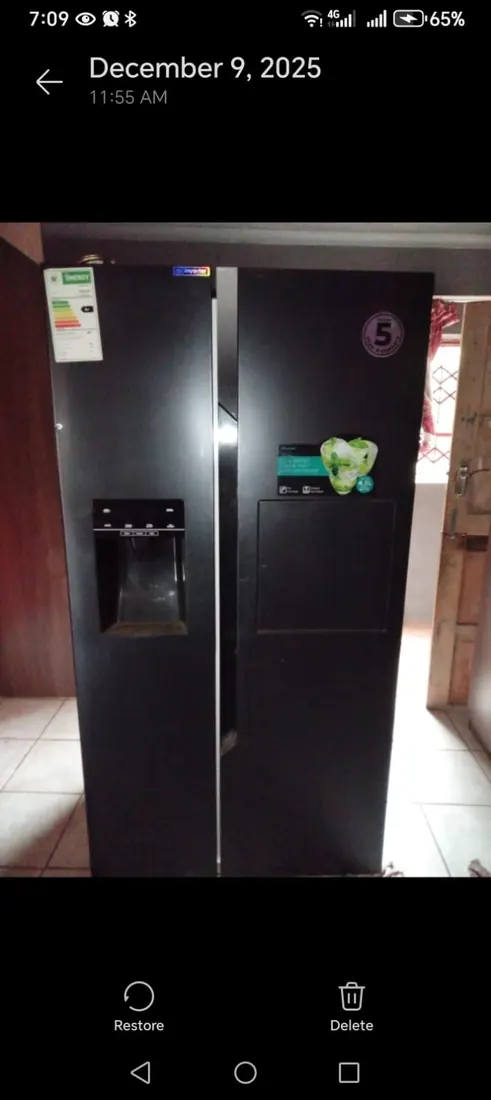
Insufficient cabinet ventilation and dirty heat-exchange surfaces raise compressor work. We evaluate ambient conditions and cooling performance before treating long running as proof of a compressor fault.
The freezer can be cold while the chute, actuator or dispensing motor fails. We determine whether ice was made and stored before exploring the separate dispensing circuit.
Door-alignment problems and humid air ingress can cause persistent water droplets even with apparently intact rubber. We inspect the contact line around the whole door and look for obstructions.
Starting current, a faulty start assembly, wiring damage or compressor insulation may be implicated. Leave tripping circuits off; electrical fault testing belongs to a qualified technician.
We separate heat rejection, ice dispensing, sealing and motor starting because these may involve different repair trades and tools. A complete symptom sequence often saves unnecessary dismantling of a fitted appliance.
We first establish whether a simple ventilation or alignment correction is practical. Electrical components and ice-dispenser parts are evaluated against model-specific evidence before replacement, followed by checking temperatures and safe refitting.
Provide the appliance model, whether its rear or plinth vents are covered, exact circuit trip pattern and any ice-maker warnings. Mention water connections and cabinetry that limit withdrawal.
Do not open powered panels or sealed refrigeration circuits. If overheating, sparking or smoke occurs, disconnect only when safe and seek qualified help.
Identify the refrigerator model and the temperature or fault behaviour without dismantling the unit.
Enter your Wapadrand address and an accessible contact number in the editable booking form.
We review your enquiry, confirm service availability and discuss appropriate diagnosis before any parts or repair work is approved.
If a built-in refrigerator is moved for inspection, water tubing, cabinet fixings and the specified ventilation path must be protected. The original fit is as important as the electrical test when the appliance is returned.
Move perishable food to working refrigeration if cooling fails. After repair, verify temperatures under ordinary use.
Refrigerator designs differ in the way they exhaust heat. Some depend on rear clearance, others on airflow through a plinth or across a built-in duct. Blocking the intended route can raise condensing temperature and contribute to repeated high-temperature warnings, even though the fans inside the food compartment appear normal. The technician should review the installation guidance for the actual model, verify that dust has not obstructed intake paths and decide whether the unit can be accessed safely. Where cabinets are tight, we protect flooring, plumbing and surrounding doors before moving the appliance. Simply changing a temperature setting cannot restore a restricted ventilation path.
Insufficient cabinet ventilation and dirty heat-exchange surfaces raise compressor work. We evaluate ambient conditions and cooling performance before treating long running as proof of a compressor fault.
The freezer can be cold while the chute, actuator or dispensing motor fails. We determine whether ice was made and stored before exploring the separate dispensing circuit. We confirm suitable appointment availability for your address before attendance.
Provide the appliance model, whether its rear or plinth vents are covered, exact circuit trip pattern and any ice-maker warnings. Mention water connections and cabinetry that limit withdrawal. Avoid opening panels or refrigerant pipes to take photographs.
Tell us the model, symptoms and exact location. We will confirm the next available service option.