
Cooling demand never satisfied
An aircon that runs for hours can be responding to room heat gain or struggling with reduced equipment performance. We look for a change in behaviour and whether actual temperature falls toward the set point.
Continuous operation without reaching the selected room temperature may be caused by reduced heat-exchange performance, poorly maintained filters, a sensor issue or insufficient capacity for the current space.
We ask whether performance declined gradually or changed suddenly. That distinction helps separate long-standing maintenance needs from a component failure.
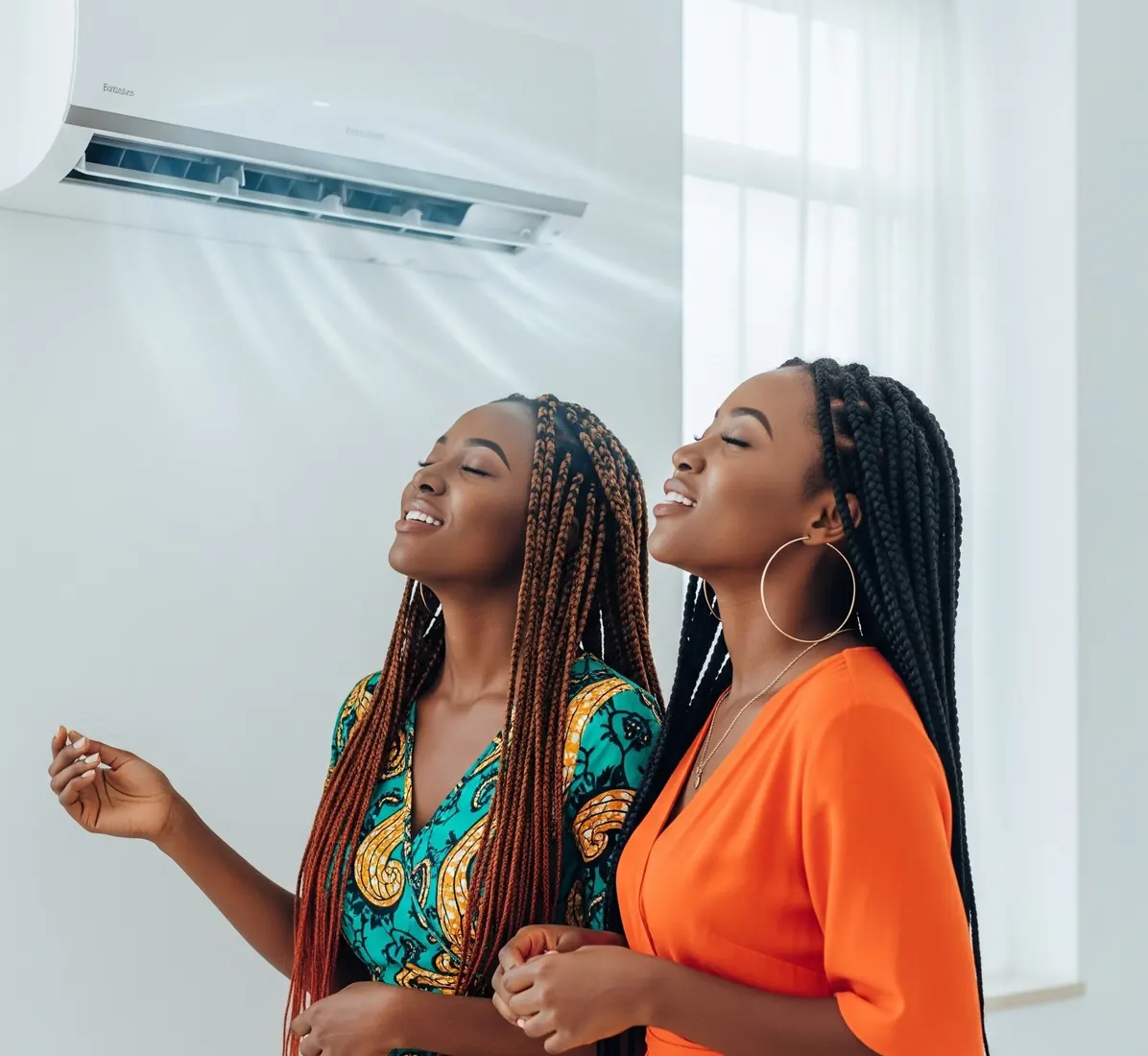
The inspection considers accessible filters, coil condition, fan response, thermostat sensing and outdoor ventilation. We also take account of heat entering through open doors or badly shaded glazing without implying those are the only cause.
An aircon that runs for hours can be responding to room heat gain or struggling with reduced equipment performance. We look for a change in behaviour and whether actual temperature falls toward the set point.
A fouled indoor or outdoor coil can reduce energy transfer even while both fans continue turning. Cleaning must be appropriate to the coil, and electrical or refrigeration problems still require diagnosis if cooling does not recover.
For an older machine, the right decision considers condition, part availability, safety and the price of a durable repair. Age alone does not prove a unit should be replaced, and a low-cost part does not guarantee the rest of the system is sound.
Ask when the system last reached the desired temperature comfortably. Gradual decline alongside dust buildup suggests a different history from sudden failure after a power interruption. Capacity assessment should also account for changed room use, but an older system should still be tested before deciding that age makes a repair uneconomical.
A serviceable system may respond to cleaning or targeted component repair; a severely deteriorated system may warrant a replacement discussion. We do not promise that adding refrigerant will cure wear or undersizing.
Share the equipment age if known and whether it has received regular cleaning. Describe how often the thermostat target is reached, if ever.
Monitor running hours and unusual electrical consumption after repair; persistent high usage should prompt further assessment.
Keep washable filters in the condition described by the manufacturer; do not attempt deep coil cleaning around live electrical controls.
Yes. Describe the sequence, error indications and system type when booking. The inspection determines whether the trouble is with settings, airflow, electrical controls or cooling equipment before a repair is recommended.
Appointment availability depends on the address, technician schedule and access to the equipment. We confirm the visit after reviewing your enquiry; the site does not promise a specific arrival time.
Not automatically. Poor cooling has several causes, and a sealed circuit should not need routine refrigerant topping up. A suspected loss needs appropriate leak investigation by qualified personnel.
The indoor unit brand or model, approximate age, symptoms, displayed fault code and safe access arrangements are useful. Describe what happens first rather than guessing which part has failed.
Share the equipment age if known and whether it has received regular cleaning. Describe how often the thermostat target is reached, if ever. You can use the online request or message the same details on WhatsApp.