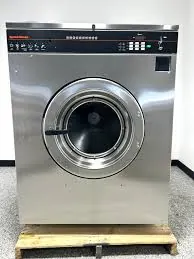
Unpleasant smell after short washes
Smell that returns immediately after a short programme calls for checking more than the detergent fragrance. Water can remain in the sump, folds of the door gasket or dispenser channel even when the drum looks empty. Tell us whether the odour comes from the drum before loading or only from washed fabrics.
Our inspection distinguishes residue that responds to manufacturer-approved cleaning from a drain path that is retaining water. A distorted gasket, restricted pump housing or poorly routed waste hose may each leave moisture behind, and they call for different remedies.
Before the visit: Leave the door ajar when appropriate and follow the manufacturer cleaning guidance.
Detergent drawer overflows
An overflowing detergent tray should be assessed according to exactly when the escape occurs. Water spilling as the inlet opens suggests a different route through the drawer than foam lifting during agitation. We examine the supply spray pattern, drawer position and residue in the overhead channels.
If water misses the correct compartments, a replacement dispenser tray alone may not address the spray path. The remedy depends on whether deposits, a misaligned insert, abnormal inlet pressure or a valve fault is demonstrated during the test.
Before the visit: Record whether overflow occurs on initial fill or during a rinse.
Too much foam and poor rinsing
A rinse cycle that repeatedly extends while suds stay visible may be reacting to detergent concentration or leftover water, not simply a faulty control board. The result varies with load size, selected programme and whether the washer can discharge at its intended rate.
We compare a normal measured detergent dose with what remains after draining and assess inlet, drain and foam-control behaviour. Any component repair should be supported by repeatable results; if dosing or programme selection explains the problem, that should be discussed instead.
Before the visit: Share the detergent type and recent changes when booking.