
Older fridge develops a thick sheet of freezer ice
A manual-defrost model may require scheduled defrosting, whereas sudden heavy buildup can also indicate poor door sealing.
Lyttelton fridge diagnostics include older freestanding refrigerators and newer electronic fridge freezers. We take account of model type before interpreting frost accumulation, thermostat cycling or sensor warnings.
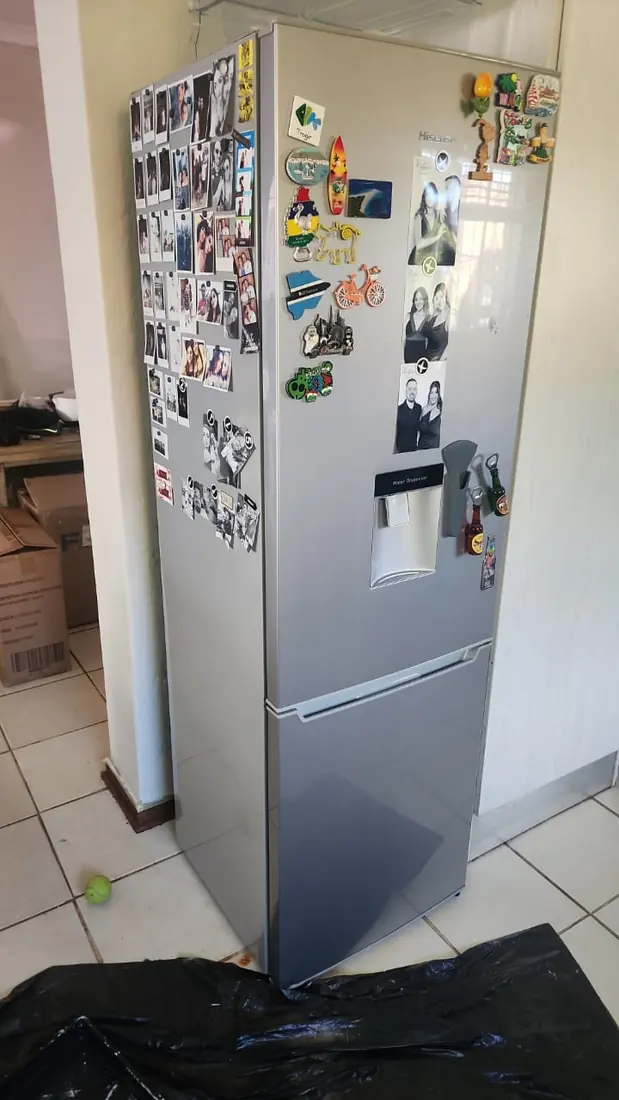
A manual-defrost model may require scheduled defrosting, whereas sudden heavy buildup can also indicate poor door sealing.
Recurring evaporator icing may indicate heater, sensor, air circulation or door-seal faults.
The sensing bulb, thermostat contacts or controls may be defective, but calibration and actual cooling performance should be verified.
A switch or lamp circuit may be separate from refrigeration controls. We avoid treating a lighting complaint as proof the compressor is faulty.
Our inspection starts with the refrigerator’s actual design: manual-defrost, cycle-defrost and frost-free systems do not behave identically. We test faults against the correct baseline.
After finding the cause, we discuss suitable repairs and available parts. We check the specific malfunction, including temperature response and any repeated ice formation.
Give a photograph of the model plate, mention whether the fridge is older or frost-free and record where ice or temperature problems first appear.
Do not open powered panels or sealed refrigeration circuits. If overheating, sparking or smoke occurs, disconnect only when safe and seek qualified help.
Identify the refrigerator model and the temperature or fault behaviour without dismantling the unit.
Enter your Lyttelton address and an accessible contact number in the editable booking form.
We review your enquiry, confirm service availability and discuss appropriate diagnosis before any parts or repair work is approved.
Manual-defrost and frost-free models should not receive identical diagnoses. The type of frost, frequency of formation and original design determine whether the ice indicates a defect.
Move perishable food to working refrigeration if cooling fails. After repair, verify temperatures under ordinary use.
A manual-defrost freezer can accumulate some ice as part of normal operation, while a frost-free cabinet should manage evaporator defrost automatically. Treating both in the same way can lead to unnecessary parts or overlooked door problems. The control method also differs: a traditional mechanical thermostat responds differently from an electronic sensor and module. We identify the type before testing heaters, fans and temperature controls. On older models, any replacement thermostat must have the correct electrical and sensing characteristics; a vaguely similar control may not maintain the intended cabinet temperature. Evidence from a measured operating cycle is more useful than changing the dial repeatedly. A fridge that still lights up but stops cooling requires a different path from one whose only complaint is an interior lamp.
A manual-defrost model may require scheduled defrosting, whereas sudden heavy buildup can also indicate poor door sealing.
Recurring evaporator icing may indicate heater, sensor, air circulation or door-seal faults. We confirm suitable appointment availability for your address before attendance.
Give a photograph of the model plate, mention whether the fridge is older or frost-free and record where ice or temperature problems first appear. Avoid opening panels or refrigerant pipes to take photographs.
Tell us the model, symptoms and exact location. We will confirm the next available service option.