
Fridge gets warmer through the afternoon
High ambient temperature, blocked condenser airflow or a weak cooling system may contribute. We compare actual cabinet temperatures with the time of day and examine installation ventilation.
Fridge problems reported in Montana can involve hot-room operation, frost accumulation and repeated compressor starts. Our assessment checks the relationship between ventilation, cabinet sealing and the components responsible for maintaining cooling.
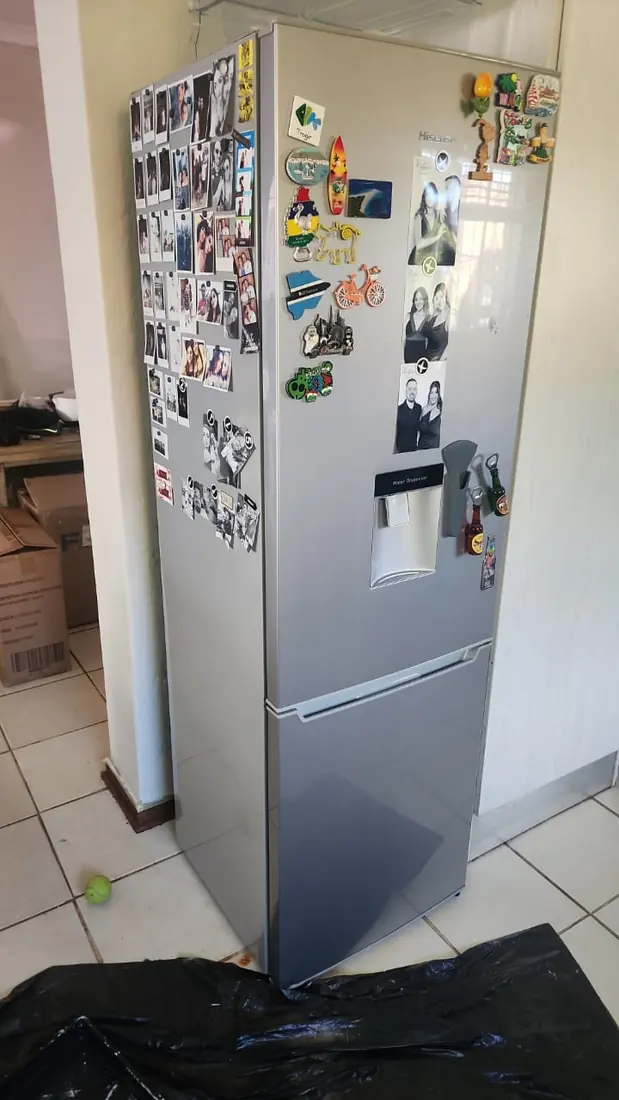
High ambient temperature, blocked condenser airflow or a weak cooling system may contribute. We compare actual cabinet temperatures with the time of day and examine installation ventilation.
A faulty defrost heater, sensor, control or gasket leak can cause evaporator icing. The location and return rate after thawing help identify which mechanism needs testing.
A seized motor, failed start capacitor or starting device and inadequate supply can lead to a brief buzz. Professional electrical checks are needed; repeated attempts can overheat components.
Defrost drain routing, a damaged door seal or a separate water supply line may be involved. The inspection follows the water source rather than assuming a refrigerator refrigerant leak.
We examine heat rejection and defrost as separate functions. A fridge may run continuously because it cannot release heat, while a frosted evaporator may block cabinet airflow even if the compressor is healthy. The distinction changes the repair entirely.
Parts are recommended after faults are traced and measured. Correcting ventilation might be sufficient in one case, while a defrost component or start device may be justified in another. Recovery to stable temperatures is part of assessing completion.
Please include ambient conditions, any recent movement or renovation, the pattern of frost and whether clicking or buzzing occurs at every start. Do not probe the electrical starting components.
Do not open powered panels or sealed refrigeration circuits. If overheating, sparking or smoke occurs, disconnect only when safe and seek qualified help.
Identify the refrigerator model and the temperature or fault behaviour without dismantling the unit.
Enter your Montana address and an accessible contact number in the editable booking form.
We review your enquiry, confirm service availability and discuss appropriate diagnosis before any parts or repair work is approved.
If the fridge does not maintain safe storage temperatures, protect food first. Frequent power cycling is not a substitute for repairing a faulty start circuit or blocked defrost system.
Move perishable food to working refrigeration if cooling fails. After repair, verify temperatures under ordinary use.
These three kinds of problem can all present as a refrigerator that no longer cools properly. Poor condenser ventilation often worsens when the room heats up; evaporator ice may gradually block airflow; a defective start device may prevent the compressor from remaining on at all. The timeline is therefore an important diagnostic tool. We look for temperature changes across the day, the location of frost and the timing of buzzing or clicking noises before proposing a component. A temporary restart that produces a little cold air does not confirm that the appliance can recover normal temperatures.
Yes, but excessive warming may show ventilation or component problems. Actual compartment temperatures are key.
Not necessarily. Gasket, fan and defrost components are common diagnostic considerations.
Several electrical or mechanical start faults can cause this pattern. A qualified technician should test rather than replace parts by guesswork.
Read service-specific guidance for nearby suburbs and tell us your exact address when booking.
Tell us the model, symptoms and exact location. We will confirm the next available service option.