
Water collects below a built-in refrigerator
A leaking inlet connection, condensate drain or misplaced collection pan may produce similar puddles. Trace the first wet point and isolate supply if safe; water near electric fittings requires caution.
Fridge repair requests in Waterkloof often require differentiating a cooling fault from an ice-maker, water supply or door-control problem. We work from the model specification and a clear account of what the customer observes rather than assuming that every modern feature shares one fault.
A leaking inlet connection, condensate drain or misplaced collection pan may produce similar puddles. Trace the first wet point and isolate supply if safe; water near electric fittings requires caution.
A frozen chute, jammed auger, sensor or motor can prevent dispensing despite normal ice production. This is different from an ice-maker that cannot freeze water at all.
Misaligned hinges, a magnetic door sensor or a damaged seal may be involved. We check physical closure and temperature history rather than disabling the warning.
Defrost termination, heater controls or evaporator airflow may be at fault. Record whether cooling returns after a delay and whether frost becomes visible in the rear compartments.
Detailed identification matters because refrigerator accessories can be electrically and hydraulically separate from the core cooling circuit. We assess door closure, water fittings, fans and defrost functions in a sequence suited to the model.
Where access involves fitted cabinetry or water lines, the safe method of removal may affect repair time and scope. Faulty ice dispensers should not trigger unneeded compressor work if measured cabinet cooling remains normal.
Please supply the exact model suffix, whether it has a plumbed water connection, which compartment or dispenser is affected and photographs of visible leaks. Never remove live panels or disconnect high-pressure refrigeration components.
Do not open powered panels or sealed refrigeration circuits. If overheating, sparking or smoke occurs, disconnect only when safe and seek qualified help.
Identify the refrigerator model and the temperature or fault behaviour without dismantling the unit.
Enter your Waterkloof address and an accessible contact number in the editable booking form.
We review your enquiry, confirm service availability and discuss appropriate diagnosis before any parts or repair work is approved.
A freezer that still makes ice can mislead an owner when the fresh-food section has warmed. Keep perishable items in verified safe storage until both compartments maintain suitable temperatures.
Move perishable food to working refrigeration if cooling fails. After repair, verify temperatures under ordinary use.
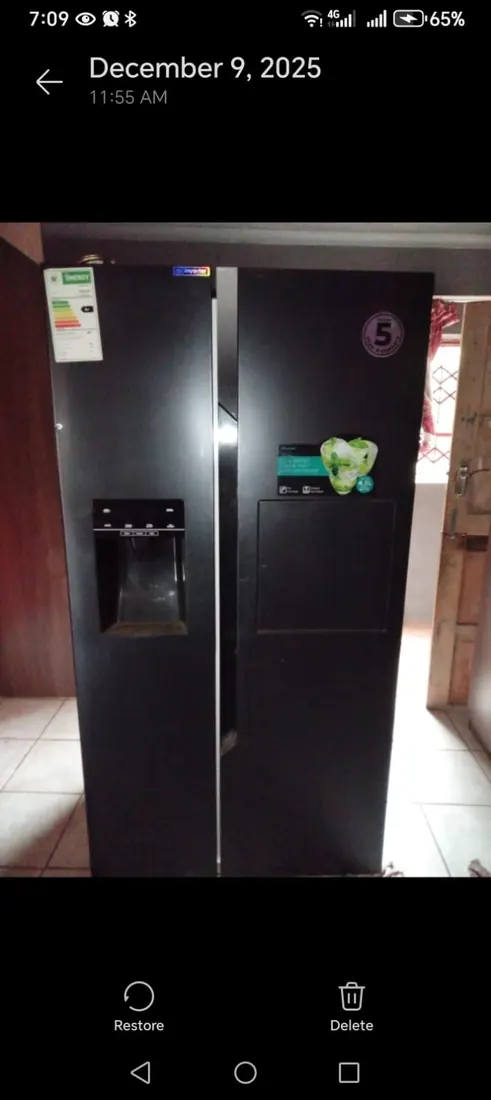
A water dispenser that fails does not automatically indicate a fault with the compressor or evaporator. Water enters through external plumbing, an inlet valve and tubing; ice is formed and transferred by separate sensors or mechanical devices. A jammed dispenser chute can stop cube delivery while the freezer itself remains cold. Conversely, a warm freezer can produce insufficient ice even if the dispensing motor is healthy. Repair planning should establish whether the issue begins with water supply, freezing, harvesting or dispensing, while protecting nearby electrical fittings against leaks.
Frequently a dispenser issue is separate from sealed-system cooling; the actual cause must be established.
Hinge, gasket, sensor or obstruction problems may be involved. Check for visible obstructions first.
Turn off the water supply if safe, keep water away from electrics and arrange inspection of the correct supply or appliance connection.
Read service-specific guidance for nearby suburbs and tell us your exact address when booking.
Tell us the model, symptoms and exact location. We will confirm the next available service option.