
Drinks fridge is much warmer on sunny afternoons
Ambient heat, direct sunlight and limited ventilation can increase load. We check the designed operating temperature and whether the unit is suitable for its location.
Clubview refrigerator enquiries can involve secondary drinks fridges, main kitchen fridge freezers and under-counter units. We check the model, where it stands and which functions have actually failed before recommending a repair or adjustment.
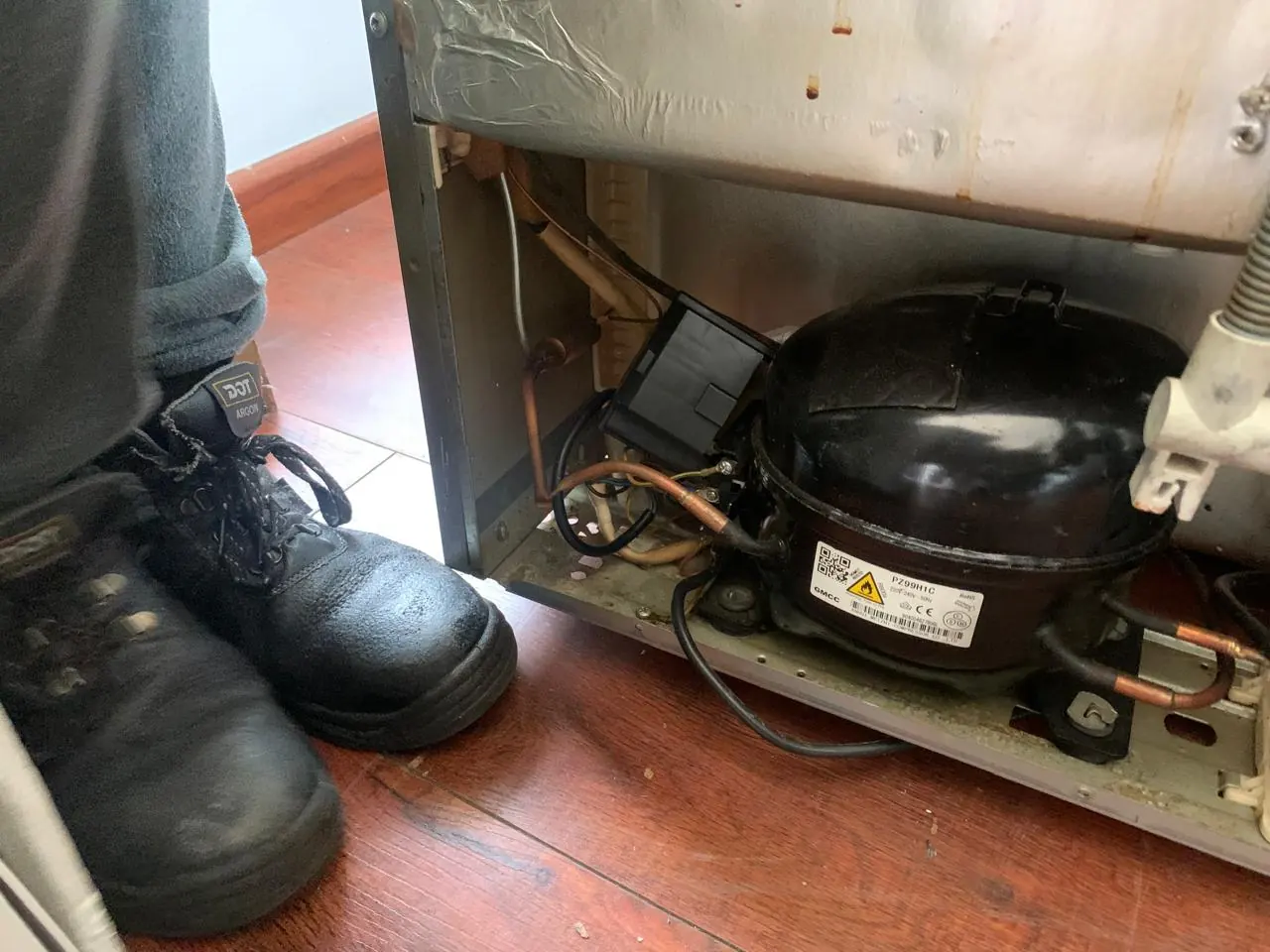
Ambient heat, direct sunlight and limited ventilation can increase load. We check the designed operating temperature and whether the unit is suitable for its location.
An evaporator or condenser fan can produce different sounds, sometimes worsened by ice or loose mounting.
A protruding package or shifted drawer can prevent closure and cause frost and temperature warnings.
Condensation, blocked drainage and faulty sealing require separate tests; the fact that the unit cools does not rule out a persistent moisture problem.
We differentiate intended drinks-cooler temperatures from food-fridge requirements and take ambient conditions into account. Fans, gaskets and drainage need appropriate diagnosis for the unit type.
Repairs can involve installation and ventilation advice, seal work, fan correction or drainage work. Verification uses the proper manufacturer temperature range for that appliance.
Provide the unit type, model, location relative to sunlight or cabinets, door usage pattern and whether it stores perishable food.
Do not open powered panels or sealed refrigeration circuits. If overheating, sparking or smoke occurs, disconnect only when safe and seek qualified help.
Identify the refrigerator model and the temperature or fault behaviour without dismantling the unit.
Enter your Clubview address and an accessible contact number in the editable booking form.
We review your enquiry, confirm service availability and discuss appropriate diagnosis before any parts or repair work is approved.
A drinks chiller and food refrigerator may use different setpoints. We compare observed cabinet readings against the actual manufacturer specification instead of assuming every cooler should operate identically.
Move perishable food to working refrigeration if cooling fails. After repair, verify temperatures under ordinary use.
A display or drinks fridge may have controls and operating ranges chosen for beverages rather than the colder food-storage needs of a conventional refrigerator. Before replacing a thermostat because drinks feel warm, we identify the appliance category and check its specified operating conditions. Sunlight through a window, inadequate clearance and high room temperature can make performance worse. Where a fridge fails to maintain its designed range, we test condenser ventilation, door sealing, fans and controls. If it is being used for perishable food, safe temperature requirements remain important regardless of the manufacturer’s marketing name.
Ambient heat, direct sunlight and limited ventilation can increase load. We check the designed operating temperature and whether the unit is suitable for its location.
An evaporator or condenser fan can produce different sounds, sometimes worsened by ice or loose mounting. We confirm suitable appointment availability for your address before attendance.
Provide the unit type, model, location relative to sunlight or cabinets, door usage pattern and whether it stores perishable food. Avoid opening panels or refrigerant pipes to take photographs.
Tell us the model, symptoms and exact location. We will confirm the next available service option.