
Fridge section warms during peak use
Frequent door traffic, heavy loading and weak circulation can combine; we check the fan and sealing system instead of guessing the charge is low.
Hennopspark fridge enquiries may come from a residential kitchen, office or small premises with refrigeration serving staff and stock. We ask about the appliance duty and actual measured temperature so the assessment reflects the real operating conditions.
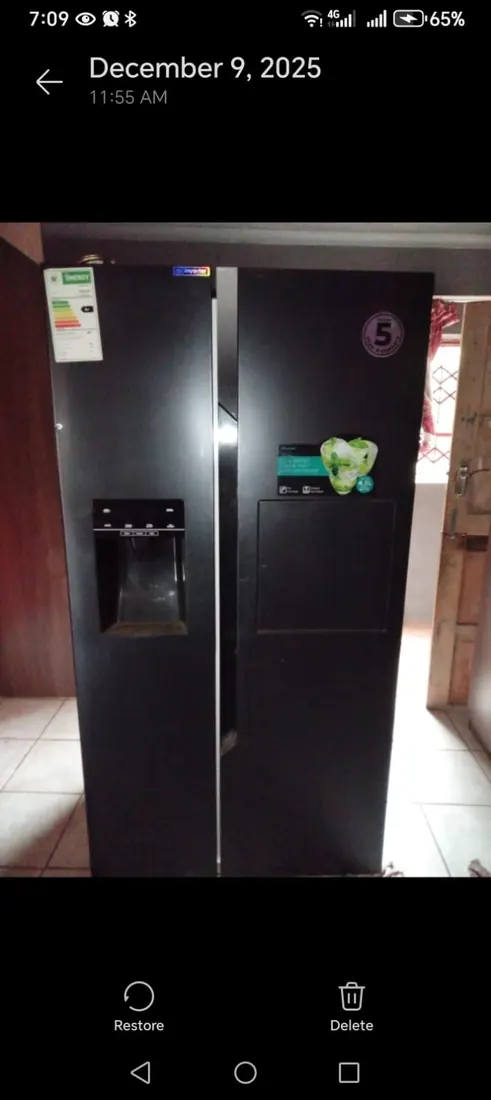
Frequent door traffic, heavy loading and weak circulation can combine; we check the fan and sealing system instead of guessing the charge is low.
Overload, ventilation, motor or starting faults may be involved. Correct testing depends on the compressor and controller design.
Defrost drainage and any connected water feed should be traced separately, with attention to power safety.
Levelling, loose supports and cabinet contact can cause rattles, but the cooling mechanism must also be verified.
We distinguish a refrigerator operating beyond its intended duty from a component that can no longer maintain its designed performance. Temperatures, cycle timing and door behaviour guide that decision.
Where repair is justified, we explain the defective function and verify stable performance. We do not claim that a minor part will increase the designed capacity of an undersized fridge.
Include whether the fridge protects stock or staff food, when the busiest use occurs, and any temperature warnings. Arrange safe storage for vulnerable contents.
Do not open powered panels or sealed refrigeration circuits. If overheating, sparking or smoke occurs, disconnect only when safe and seek qualified help.
Identify the refrigerator model and the temperature or fault behaviour without dismantling the unit.
Enter your Hennopspark address and an accessible contact number in the editable booking form.
We review your enquiry, confirm service availability and discuss appropriate diagnosis before any parts or repair work is approved.
In a busy workplace, log temperature recovery after the doors remain closed. A system that cannot recover may have a component fault even when heavy door traffic helped reveal it.
Move perishable food to working refrigeration if cooling fails. After repair, verify temperatures under ordinary use.
A small refrigerator used in an office or workshop may be opened frequently and positioned in a warm corner. That demand can mask the beginning of fan or seal problems. We measure the actual outcome: how reliably it returns to its expected temperature after normal use. If it is repeatedly warming even with the doors closed, service checks may involve the condenser, evaporator airflow, starting devices and controls. For equipment storing stock, alternative cold storage and an accurate temperature record matter more than a temporary reset that extinguishes an alarm.
Frequent door traffic, heavy loading and weak circulation can combine; we check the fan and sealing system instead of guessing the charge is low.
Overload, ventilation, motor or starting faults may be involved. Correct testing depends on the compressor and controller design. We confirm suitable appointment availability for your address before attendance.
Include whether the fridge protects stock or staff food, when the busiest use occurs, and any temperature warnings. Arrange safe storage for vulnerable contents. Avoid opening panels or refrigerant pipes to take photographs.
Tell us the model, symptoms and exact location. We will confirm the next available service option.