
Loose casing and guard noise
Casing clips or panels can vibrate only at specific motor speeds. Fastening them properly may correct an isolated rattle, but contact with a spinning fan or damaged guard needs a different repair.
A metallic rattle near an outdoor condenser might come from a loose panel, fan contact, worn mounting hardware or vibration transferred from connecting pipework. The sound can appear only at certain fan or compressor speeds.
We want to know whether it begins on startup, changes with fan speed or follows windy conditions. Locating the source safely prevents unnecessary major part replacement.
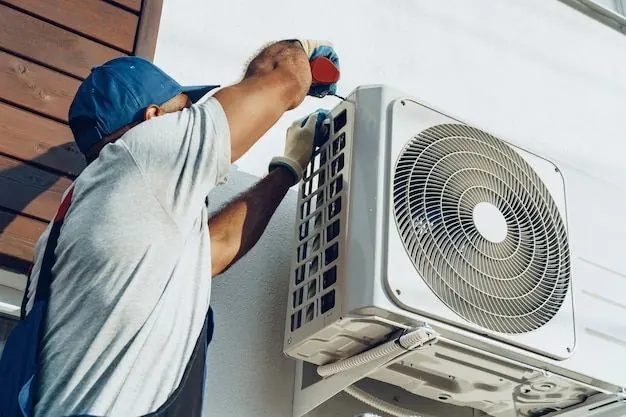
The check includes visible bracket condition, secure guards, fan clearance and whether pipes contact an enclosure. Rotating components and stored electrical charge require proper professional precautions.
Casing clips or panels can vibrate only at specific motor speeds. Fastening them properly may correct an isolated rattle, but contact with a spinning fan or damaged guard needs a different repair.
The support must hold the unit safely and limit excessive vibration. Corrosion, loosened anchors or damaged isolators require careful assessment before anyone attempts to tighten parts near a live machine.
A blade scraping its surround is more urgent than cosmetic panel vibration. If the sound suggests contact, shut the system down where safe and leave mechanical inspection to a technician.
Metallic rattling should be assessed during the operating phase when it occurs, if the equipment is safe to run. Casing fasteners can create intermittent noise without reducing cooling, whereas blade contact threatens the fan and guard. The direction and rate of vibration help narrow the source before components are replaced.
A loose case fastener is different from a failing fan motor. We assess whether operation is safe, perform the appropriate fix and listen across a normal operating cycle before calling the job complete.
Note where the sound is loudest from a safe position and whether the unit’s cooling has changed. Do not remove a grille or reach near the fan.
Have unusual noise investigated early, particularly if it is accompanied by increasing vibration or reduced cooling.
Do not remove the outdoor grille to identify a fan rattle. A blade may resume moving unexpectedly when the thermostat calls for cooling.
Yes. Describe the sequence, error indications and system type when booking. The inspection determines whether the trouble is with settings, airflow, electrical controls or cooling equipment before a repair is recommended.
Appointment availability depends on the address, technician schedule and access to the equipment. We confirm the visit after reviewing your enquiry; the site does not promise a specific arrival time.
Not automatically. Poor cooling has several causes, and a sealed circuit should not need routine refrigerant topping up. A suspected loss needs appropriate leak investigation by qualified personnel.
The indoor unit brand or model, approximate age, symptoms, displayed fault code and safe access arrangements are useful. Describe what happens first rather than guessing which part has failed.
Note where the sound is loudest from a safe position and whether the unit’s cooling has changed. Do not remove a grille or reach near the fan. You can use the online request or message the same details on WhatsApp.